More Than More Days. A Deeper Way to Learn, Serve, and Understand.
Stay long enough for your understanding to change.
The common promise is depth
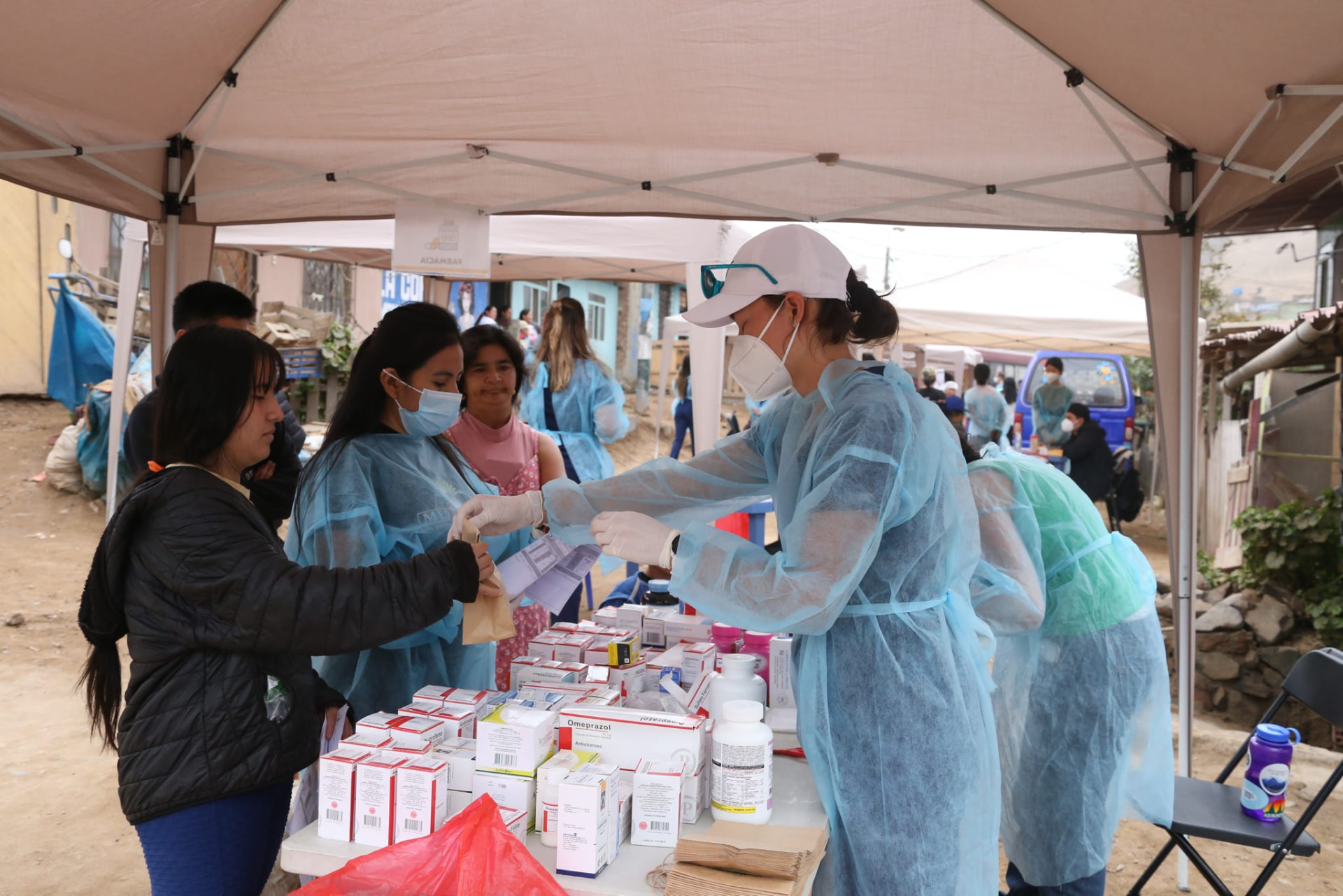
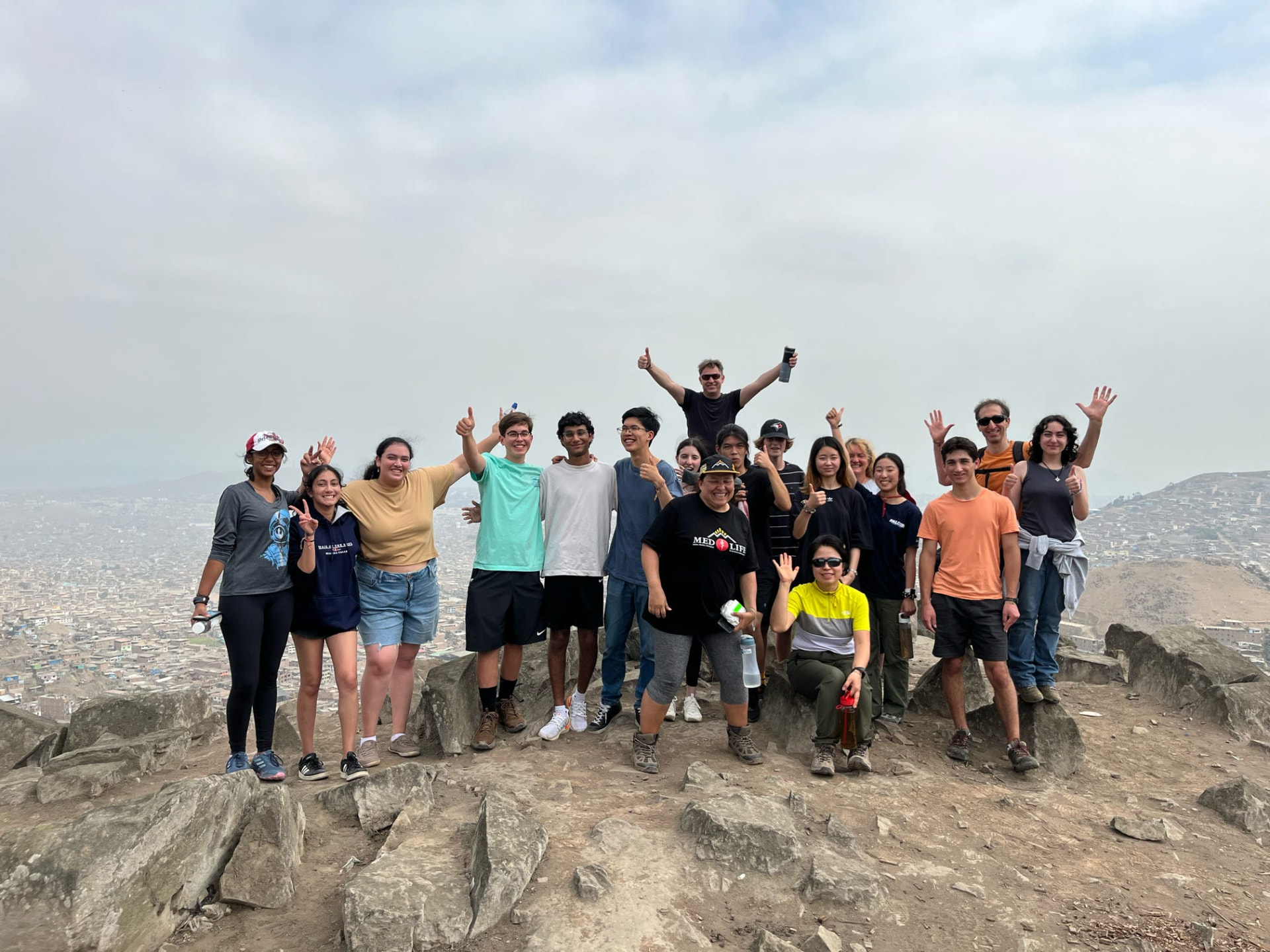
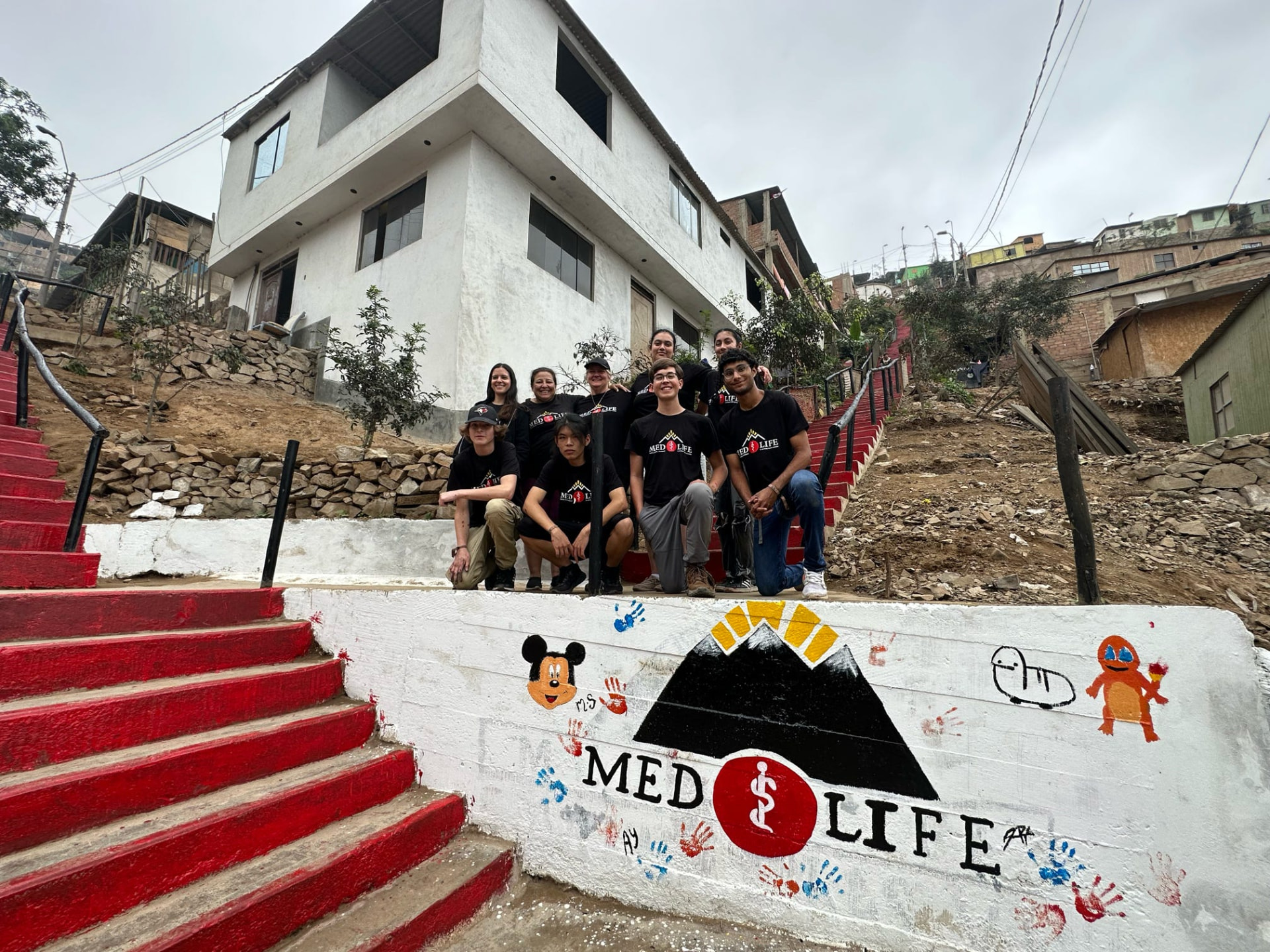
Classic MEDLIFE SLTs remain the accessible, high-impact one-week entry point. Immersion & Field Education SLTs are for people who want to go deeper: more time to understand a place, more time to build relationships, more time to see how healthcare, education, housing, culture, history, economics, and opportunity connect.
Some programs lean toward immersion: service, community, culture, adventure, relationships, and multiple destinations. Others lean toward field education: readings, learning objectives, expert and community voices, comparative field visits, structured discussion, reflection, and — when a university chooses — academic credit.
The strongest experiences combine both.
Why Field EducationUnderstand more
The Point Is Not to Stay Longer. The Point Is to Understand More.
A longer trip is only valuable if the extra time changes what you can see, who you can learn from, and how deeply you can understand the community around you.
One community may challenge what you learned in another. A rural health post may change how you think about an urban hospital. A market can become a lesson in migration, labor, agriculture, or globalization. A development project can force harder questions about ownership and sustainability.
More time creates more context.
More places create comparison.
More local voices create humility.
More reflection turns experience into learning.
More continuity creates stronger relationships.
Service matters more when students understand the systems around it.
Culture and environment are not extras when they explain the place.
Academic credit can be part of the experience — the university awards it.
Two paths to depth
Choose the Kind of Depth You Need
Classic SLT
The regular week-long Service Learning Trip — one destination, one impactful week.
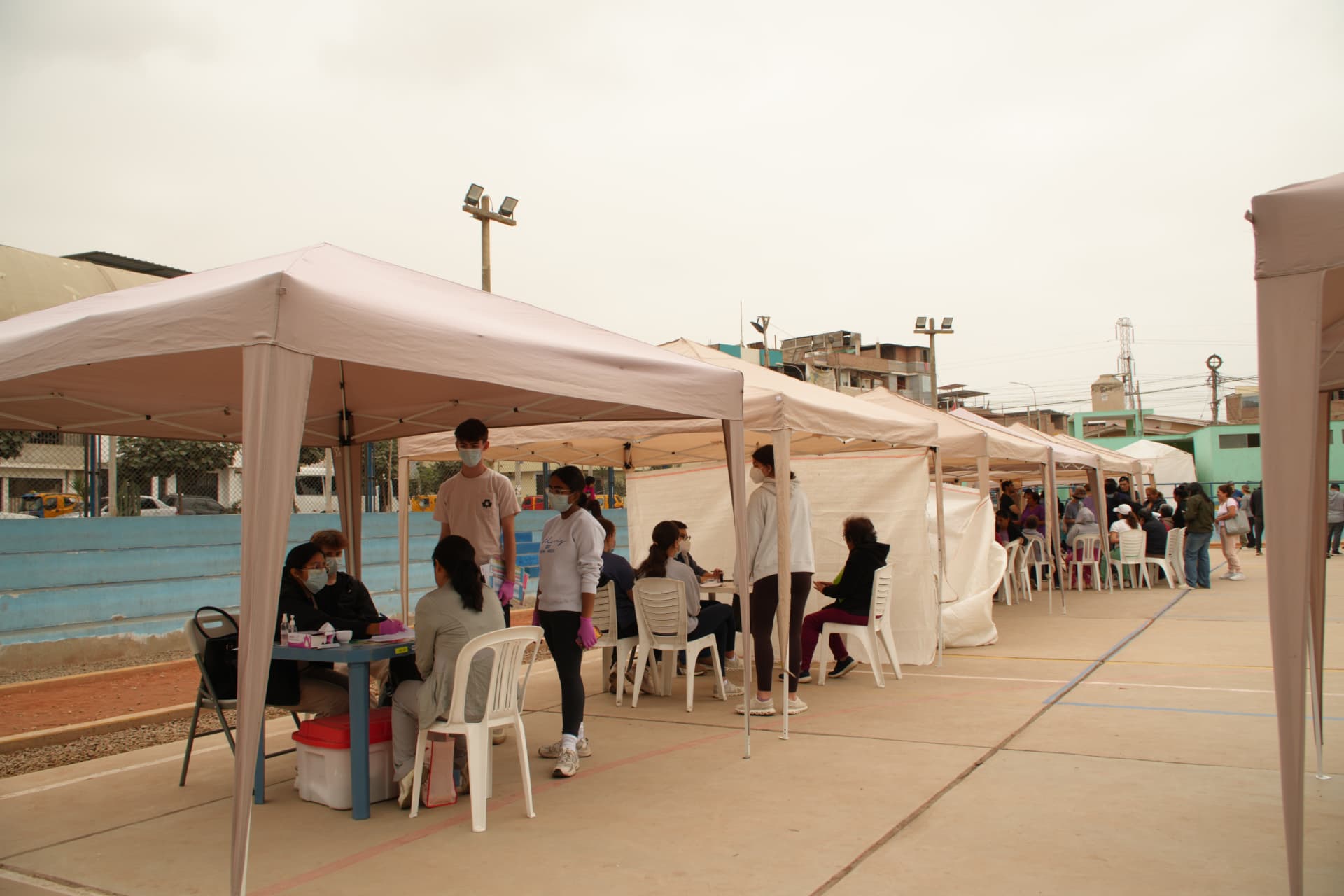
- 1 week of community-led service & Mobile Clinics alongside licensed local professionals
- Reality Tour, guided discussions, and reflections throughout the week
- Reality Tour, and post activities reflection
- Optional cultural add-ons available separately
Immersion
For chapters that want a richer read on the country and its people.
- 2 weeks of community-led service & Mobile Clinics alongside licensed local professionals
- Double your impact by supporting more patients, families, and partner communities across two weeks
- Reality Tours & community conversations in two different locations
- Guided discussions & reflection throughout your experience
- Cultural experiences included to deepen your connection with each destination
- Explore multiple regions with 2-, and 3-week immersion options
Best illustrated by Dana Hills and Delaware, with parts of the Drexel experience also demonstrating the value of cultural and environmental immersion.
Explore 2–3 Week ExperiencesField Education
For chapters partnering with faculty who want structured, credit-eligible learning*.
Could include everything in the Immersion experience, plus:
- Pre-departure readings & customized learning objectives
- Learning with local experts through interviews and comparative site visits
- Guided academic discussions & reflection journals
- Academic deliverables, including final papers, presentations, or capstone projects
- University credit, only when approved and awarded by the student's school
*Field Education components are available upon request and can be adapted to your school or course requirements.
Build a Field Course With MEDLIFEOur philosophy
What MEDLIFE Believes About Learning in the Field
Field education is not simply learning outside a classroom.
It is structured learning grounded in theory, observation, multiple perspectives, reflection, and synthesis.
Responsible service requires context.
You cannot meaningfully serve communities you do not understand.
MEDLIFE exists at the intersection of two failures.
Short-term aid without continuity, and student education abstracted from lived reality.
The goal is not to manufacture a feeling of helping.
It is to help students become more ethical, culturally humble, systems-literate leaders over the course of their lives.
Who this is for
Built Around What Your Group Needs to Get Out of It
College students & chapters
A trip that feels worth the additional time and cost.
Deeper experience, multiple destinations and communities, culture, adventure, relationships, service, leadership, and reflection.
Models: Delaware, Leadership Corps, Berkeley.
Faculty & universities
Academically defensible experiential learning with reliable field implementation.
Learning objectives, curriculum mapping, local experts, comparative sites, field facilitation, community partnerships, logistics, risk management, and post-return synthesis.
Models: McGill, Drexel, Berkeley, Leadership Corps prototype.
High schools & parents
Safe, meaningful growth that goes beyond tourism and a résumé line.
Trusted adult leadership, professional parent mentors, character growth, cultural understanding, service, community development, adventure, reflection, and repeat relationships.
Model: Dana Hills.
Study-abroad & global education offices
A credible local operating partner that supports faculty and institutional requirements.
Field infrastructure, local staff, community access, itinerary-to-learning-objective mapping, documentation, emergency support, and repeatability.
Model: Drexel.
Our approach
You Cannot Meaningfully Serve People You Do Not Understand.
MEDLIFE was built around a simple tension. Short-term aid can fail when it arrives without context, continuity, or local leadership. Education can also fail when students study poverty, health disparities, development, or culture entirely from a classroom — far from the people and systems they are trying to understand.
MEDLIFE works at the intersection. Our local teams work year-round with communities and remain long after a student group leaves. Students enter those relationships as learners and contributors — not as saviors.
The field as classroom
Place Becomes Part of the Curriculum
A strong field experience asks students to do more than see.
Before the field, students need context.
In the field, they need multiple perspectives.
After the field, they need time to make meaning from what they experienced.
That is the difference between simply traveling through a country and learning from it.
Proof of possibility
Different Models. One Common Idea: Depth Matters.
These are past and present examples of what has been designed with MEDLIFE — shown as proof of what is possible, not as a claim that every current program is identical.
The Meredith–McGill Origin
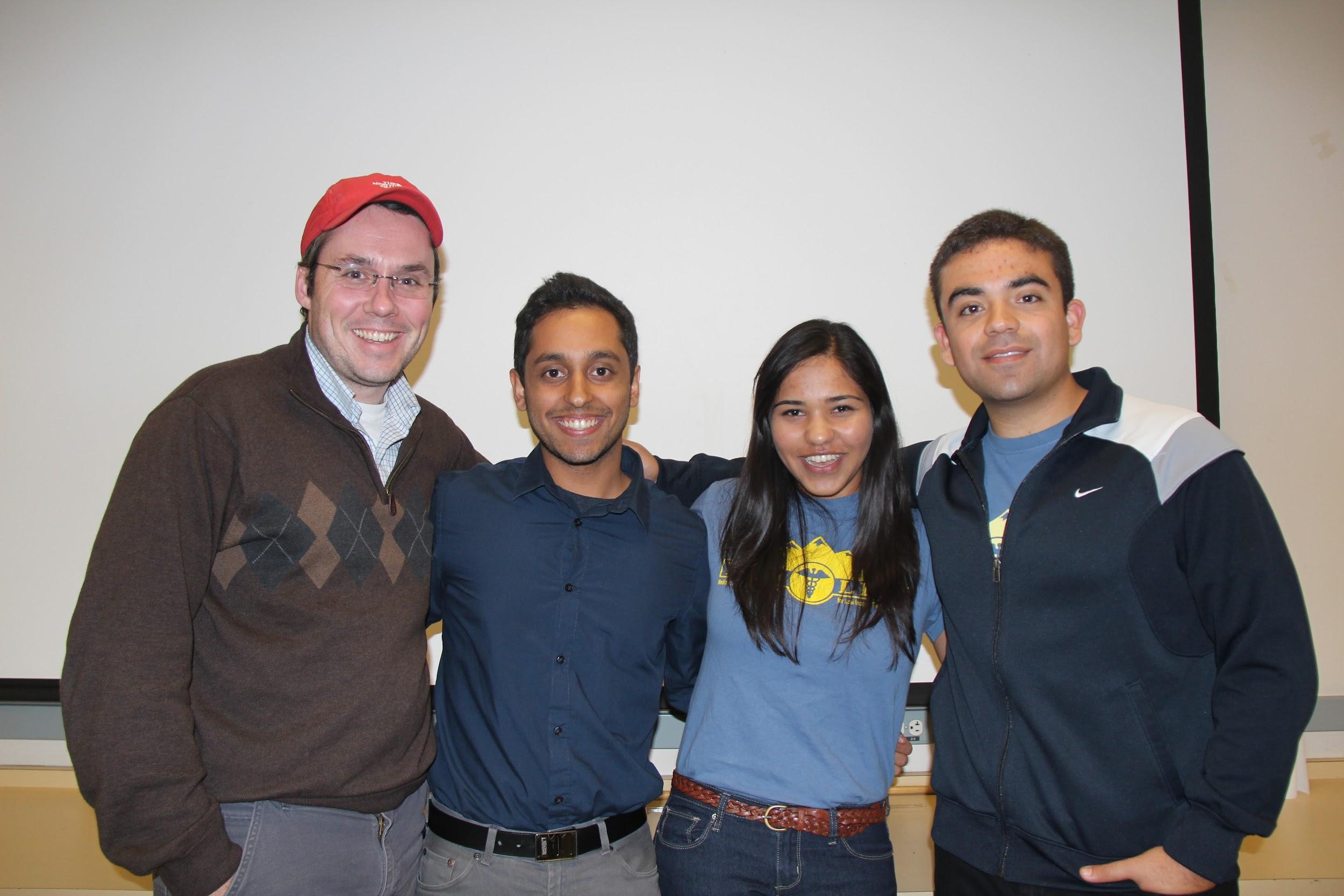
MEDLIFE founder Nick Ellis first experienced serious field education as a McGill University student in Panama under Professor Thom Meredith. Years later he returned to that same field-study tradition as an educator in East Africa: learning through place, interviews, field visits, comparative systems, reflection, and assessment.
Read the Origin StoryThe Berkeley Model
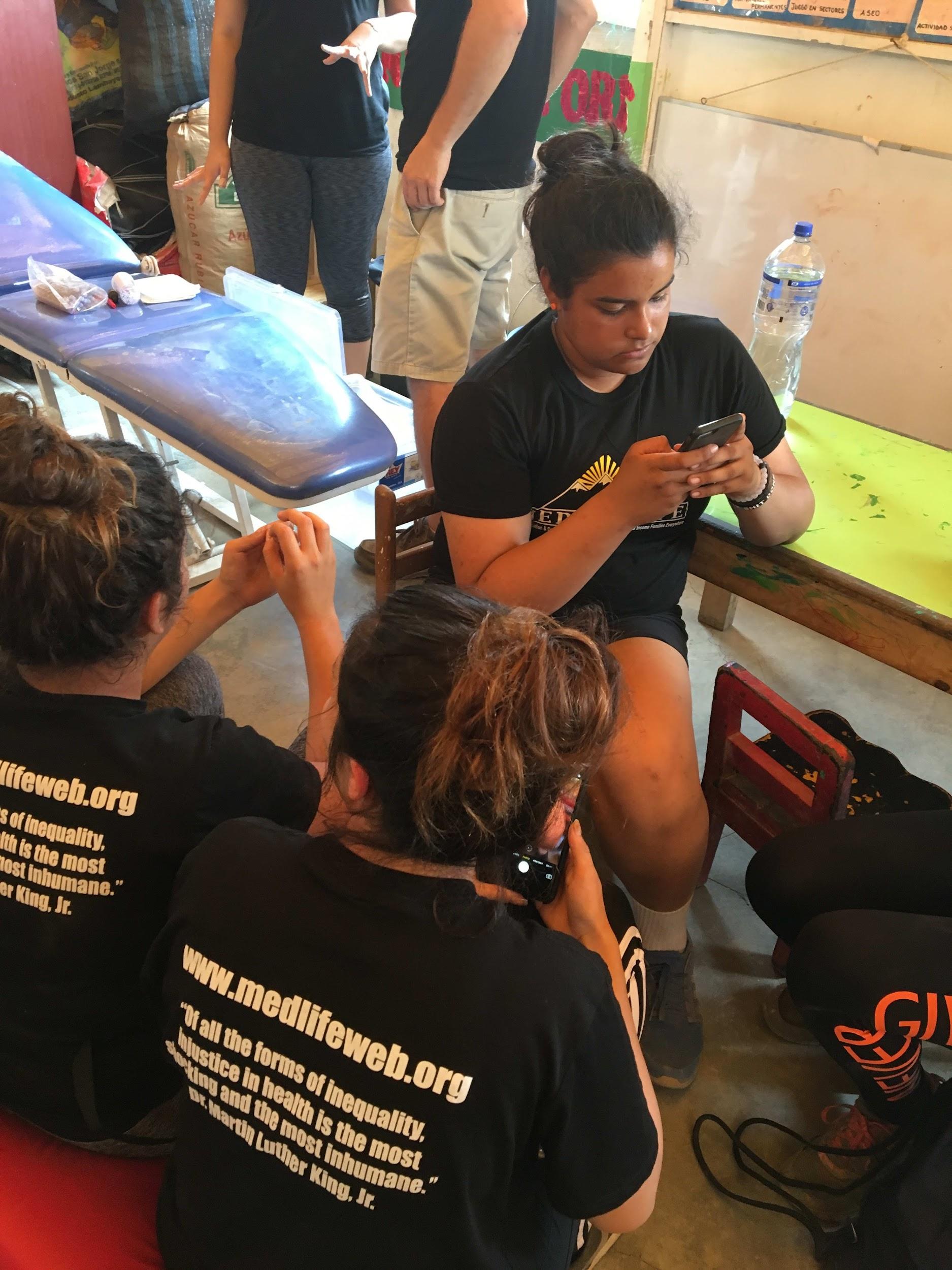
A student-led, credited semester course prepared students through global health, sustainability, Spanish, cultural humility, and practical preparation — and only then the field experience.
Read the Berkeley ModelThe Drexel Model
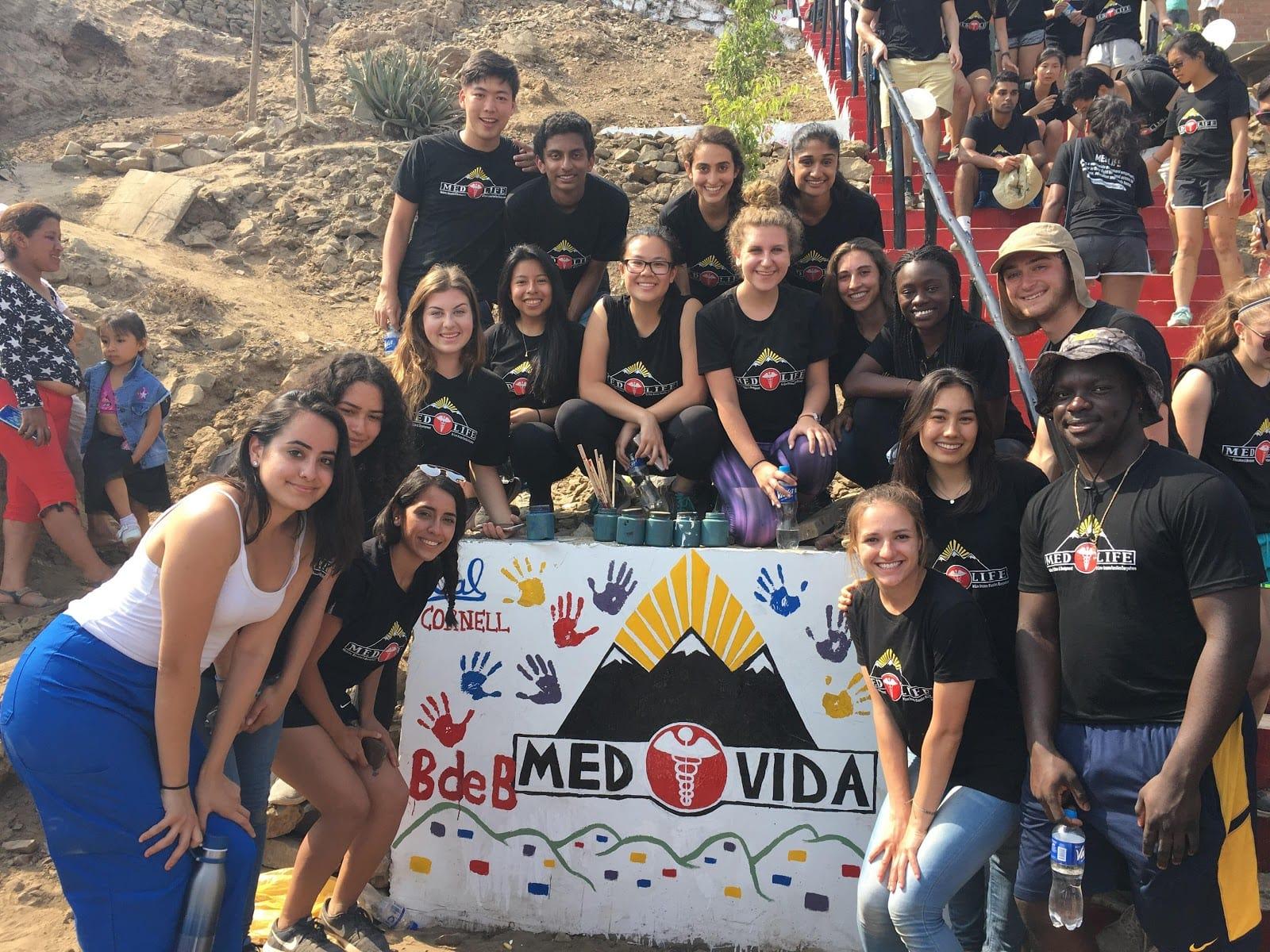
A faculty-led university course used MEDLIFE as the field implementation partner: course preparation, an intensive field laboratory, and post-return synthesis. The Ecuador model was later adapted to Tanzania and repeated.
The McGill–MEDLIFE Leadership Corps Model
MEDLIFE had already built a two-week field course. McGill explored adding academic evaluation and credit around that existing field architecture. The 2020 credit pathway did not ultimately operate, but the design remains highly relevant.
The Delaware Model
University of Delaware groups committed roughly three to four weeks when service, development, multiple geographies, major destinations, and a strong cohort journey justified the time.
The Dana Hills Model
A repeat high-school relationship built around a parent champion, professional adult mentors, service, community development, culture, adventure, and returning participants.
Program length
One Week. Two Weeks. Three Weeks. A Month.
There is no single perfect duration — only the one that matches what your group needs to understand.
7-DAY SLT
The accessible, high-impact entry point. Ideal for high schools, first-time groups, and chapters testing a field experience.
14-DAY SLT
A strong default for chapters and college students: a second geography, deeper cultural learning, a development component, and structured reflection.
21-DAY SLT
Enough time for comparative learning across multiple communities or regions, plus a major cultural or environmental component.
28-DAY SLT
A true field immersion. Best for Winter Session, J-Term, May Term, summer courses, and leadership programs.
Ready-to-book examples: the 14-day Peru Immersion and the 21-day Peru + Ecuador Immersion.
Intentional destinations
The Experience Can Be Serious and Still Be Extraordinary.
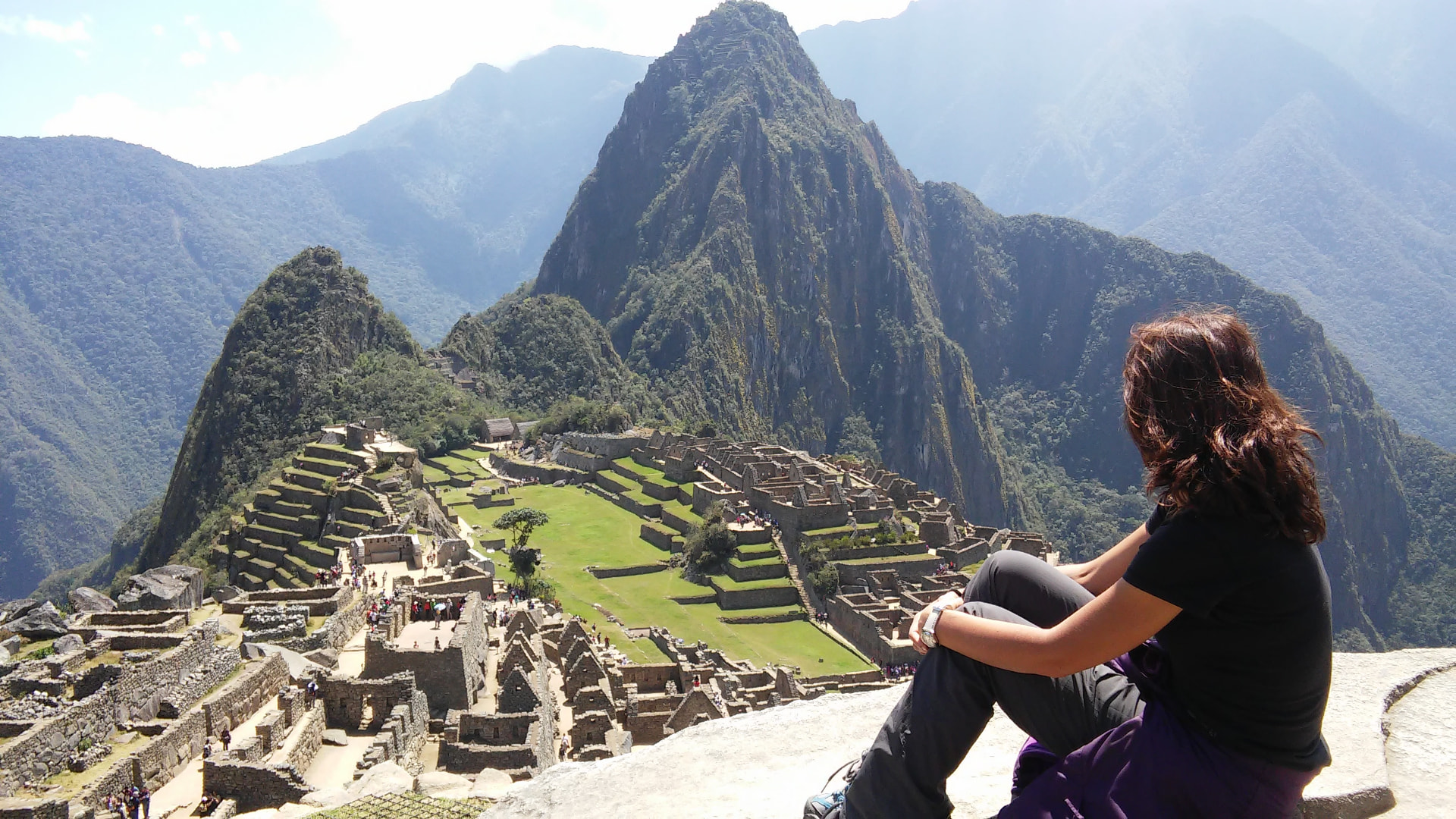
Students do not have to choose between meaningful service and seeing the places they have dreamed of visiting. A thoughtfully designed program can connect community work with the Amazon, the Andes, Machu Picchu, the Galápagos, safari, local markets, Indigenous communities, coffee farms, conservation work, and historic cities.
The difference is intention.
We ask what a place can teach, whose perspective students should hear, and how the experience deepens understanding of the country, community, environment, economy, or history. Culture and environment are learning, relationship, and context — never exotic spectacle.
Cultural lens
Machu Picchu and the Andes place Andean history and identity behind the communities you worked alongside.
Ecological lens
The Galápagos connects health, environment, and conservation to the community realities you saw on the mainland.
Responsible service
Service Should Create Value for Communities, Not Just Students.
MEDLIFE rejects the idea that international service exists to give visitors a powerful experience while communities absorb the cost. Our programs are grounded in long-term local relationships.
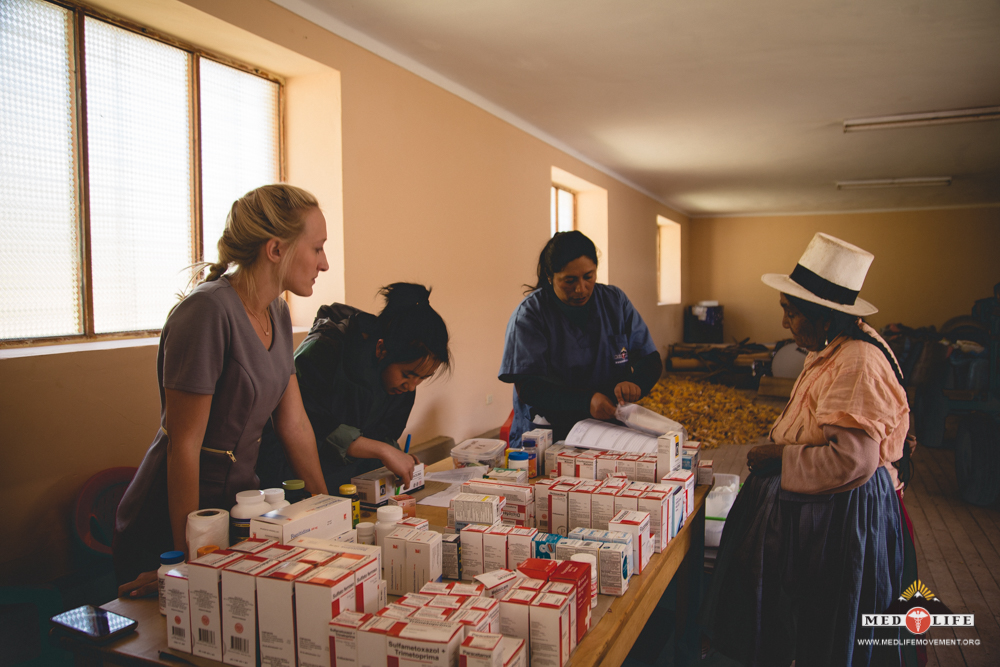
MEDLIFE teams and partners remain after the student group leaves. Healthcare activities are led by licensed local professionals. Community-development projects respond to locally identified priorities. Students listen, learn, contribute appropriately, and reflect on their own role — a single trip does not transform a community, and we do not claim it does.
A deeper trip should create more understanding — not more entitlement.
Questions
Frequently Asked Questions
Stay Longer. Listen Deeper. Understand More.
A MEDLIFE SLT can be the beginning of a much longer education.
More time in one place.
More voices to learn from.
More comparison across communities.
Harder, better questions.
Service with humility and continuity.
Reflection that turns experience into learning.
Request more information
Design an Immersion & Field Education SLT for your group
Tell us who you are — student, chapter leader, faculty member, school administrator, or parent — along with your institution, preferred destinations, program length (10–14, 14, 21, or 28 days), group size, travel period, and whether you lean toward immersion, field education, academic credit, or a custom design.
Meet with a MEDLIFE advisorinfo@medlifemovement.org