Community
- Reality Tours
- Community leaders
- Local students
- Local organizations
- Family and community stories
A high-school trip can be more than a week away from home.
Done well, it can give students a deeper understanding of another culture, a stronger sense of responsibility, greater independence, meaningful relationships with adults and peers, and a clearer picture of the kind of person they want to become.
MEDLIFE High School Immersion SLTs combine community-led service, cultural learning, development, adventure, reflection, and trusted adult mentorship in 10- to 14-day experiences designed for students who are ready to go deeper.
Many travel programs
Offer sightseeing.
Many service programs
Offer volunteering.
A deeper MEDLIFE experience
Connects the two.
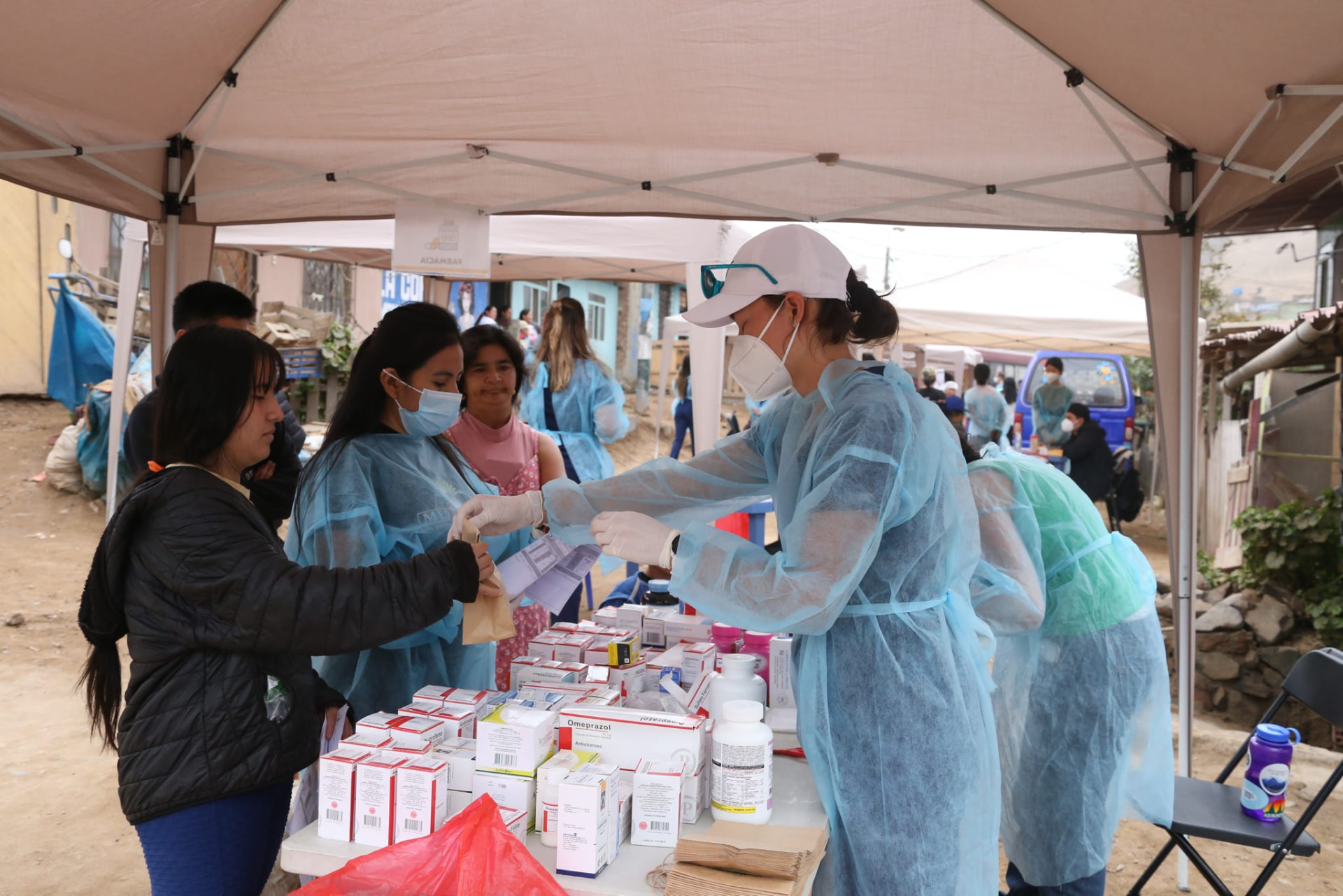
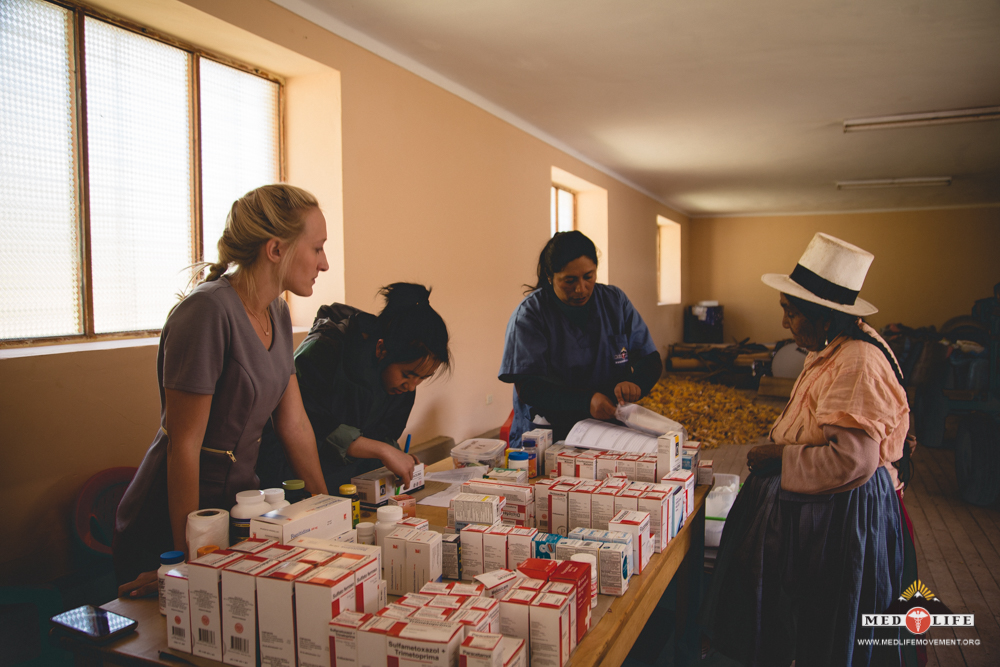
Students can serve with MEDLIFE teams, learn from community leaders, see how healthcare and development work in real communities, experience the country’s culture and environment, hear from professionals, reflect together, and travel through multiple settings.
The result should feel neither like a vacation with volunteering added nor like a week of nonstop service.
It should feel like an education.
One of MEDLIFE’s strongest historical high-school examples came from Dana Hills High School in Southern California. Parent and chaperone Valerie Lindeborg became a key organizer and relationship-builder, and the group was large.
Parents and professional adults were not treated merely as crowd control. Physicians, dentists, pharmacists, and other experienced adults could contribute to students’ learning and help them interpret what they were seeing while staying within appropriate professional roles.
The school relationship continued. The students did not only participate in clinics — they also engaged in community-development work, culture, education, and later a highly immersive Tanzania experience.
The strongest proof was repeat participation.
The relationship became larger than one departure date.
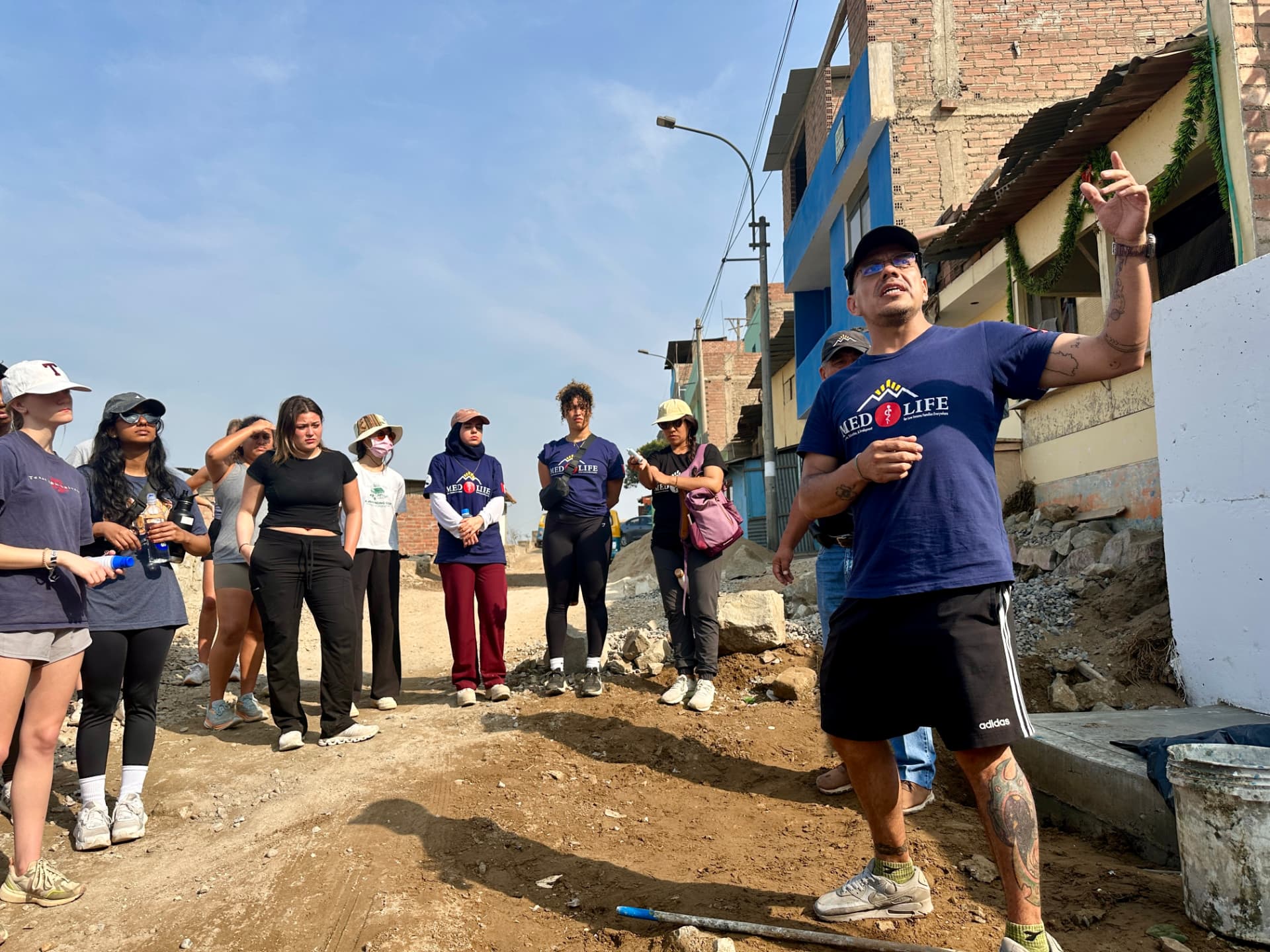
For high school, great chaperones matter. A parent who is a physician, dentist, nurse, pharmacist, teacher, engineer, entrepreneur, public-health professional, or community leader can contribute far more than supervision.
They do not replace local experts. They help students learn from them.
With clear roles and safeguarding standards, professional parents can
On day two
Everything is new.
By the second week
Students have enough context to compare.
That is the educational value of duration. The goal is not to create twice as many volunteer hours. It is to give students enough time for the experience to become more human and less observational.
Parents want an experience that is meaningful. They also need to trust the adults, systems, and organization responsible for their child. MEDLIFE programs are supported by experienced local teams and established operating infrastructure.
This should be a growth experience—not an uncontrolled adventure.
The strongest high-school model combines
MEDLIFE can work with teachers and school leaders to tailor the experience around existing educational goals without pretending every trip needs formal academic credit.
Meet people whose lives are different from yours.
Work alongside a team.
See healthcare and development outside your own system.
Try a language when you are not sure you will get it right.
Ask questions.
Get uncomfortable.
Hike somewhere difficult.
Share a meal.
Listen to someone whose experience challenges your assumptions.
Do something useful.
Then think about what you are going to do differently when you get home. That is the experience.
MEDLIFE does not use low-income communities as a place for students to practice beyond their training. High-school students can learn about healthcare, public health, prevention, education, social determinants, and the work of licensed professionals.
Clinical decisions and professional procedures stay with qualified professionals. That boundary is part of the education.
Dana Hills demonstrated something especially valuable. A successful first experience can create:
Repeat school travel
Sibling participation
Parent involvement
Student leadership
College MEDLIFE participation
Career inspiration
Referrals to other families and schools
Long-term connection to service
MEDLIFE should aim to become a trusted educational partner to a school and its families—not simply a company that books one trip.
Day 1
Arrival + cohort orientation
Day 2
Country history + cultural context + Reality Tour
Day 3
Community and health systems
Day 4
Service / clinic / education activity
Day 5
Development project + local leaders
Day 6
Culture, livelihoods, and local economy
Day 7
Second community or region
Day 8
Service + professional mentor reflection
Day 9
Community / school exchange
Day 10
Major cultural or environmental experience
Day 11
Adventure + final synthesis
Day 12
Student commitments + departure
Each program should be adapted to the destination, age group, school goals, and local community context.
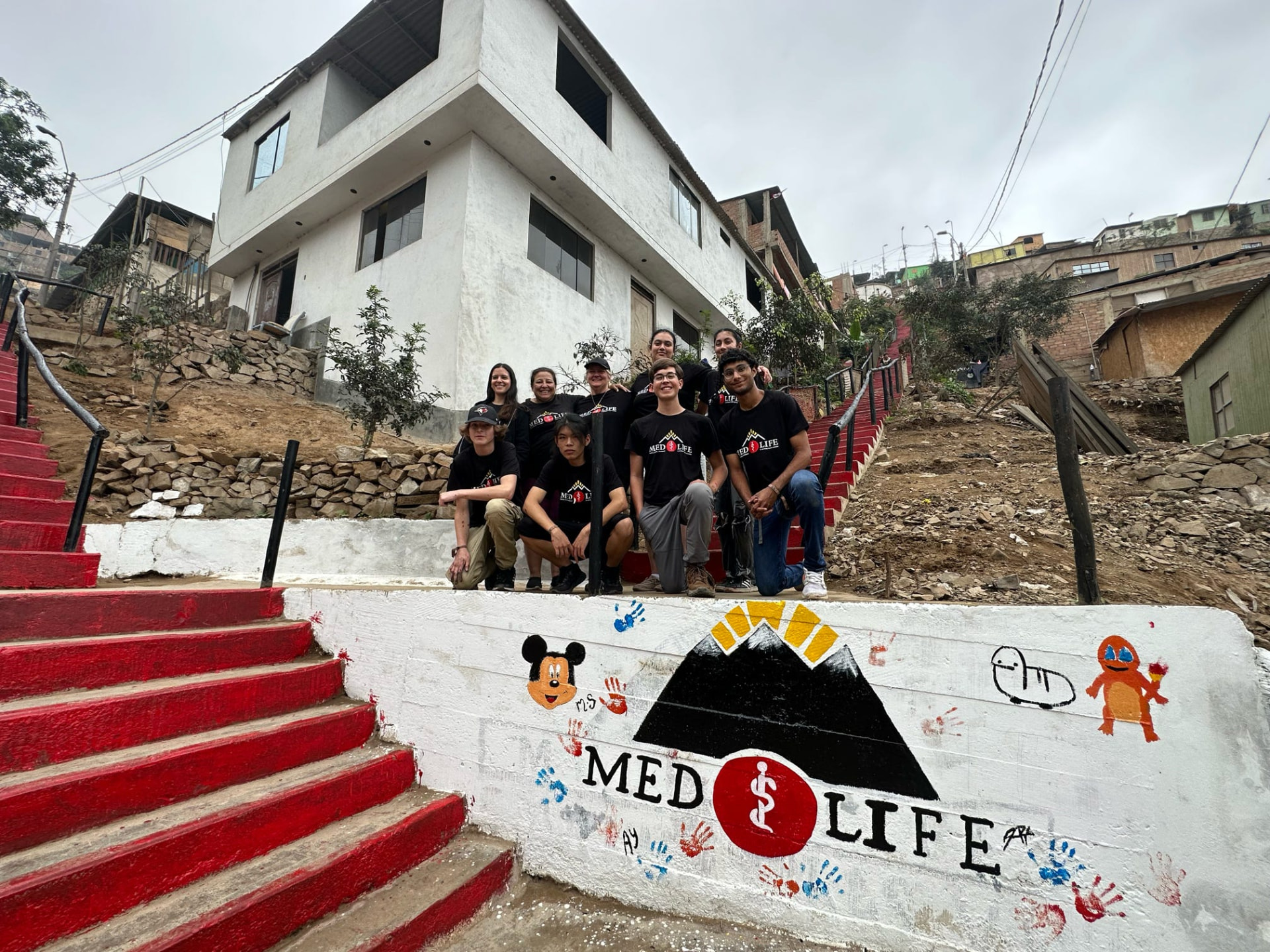
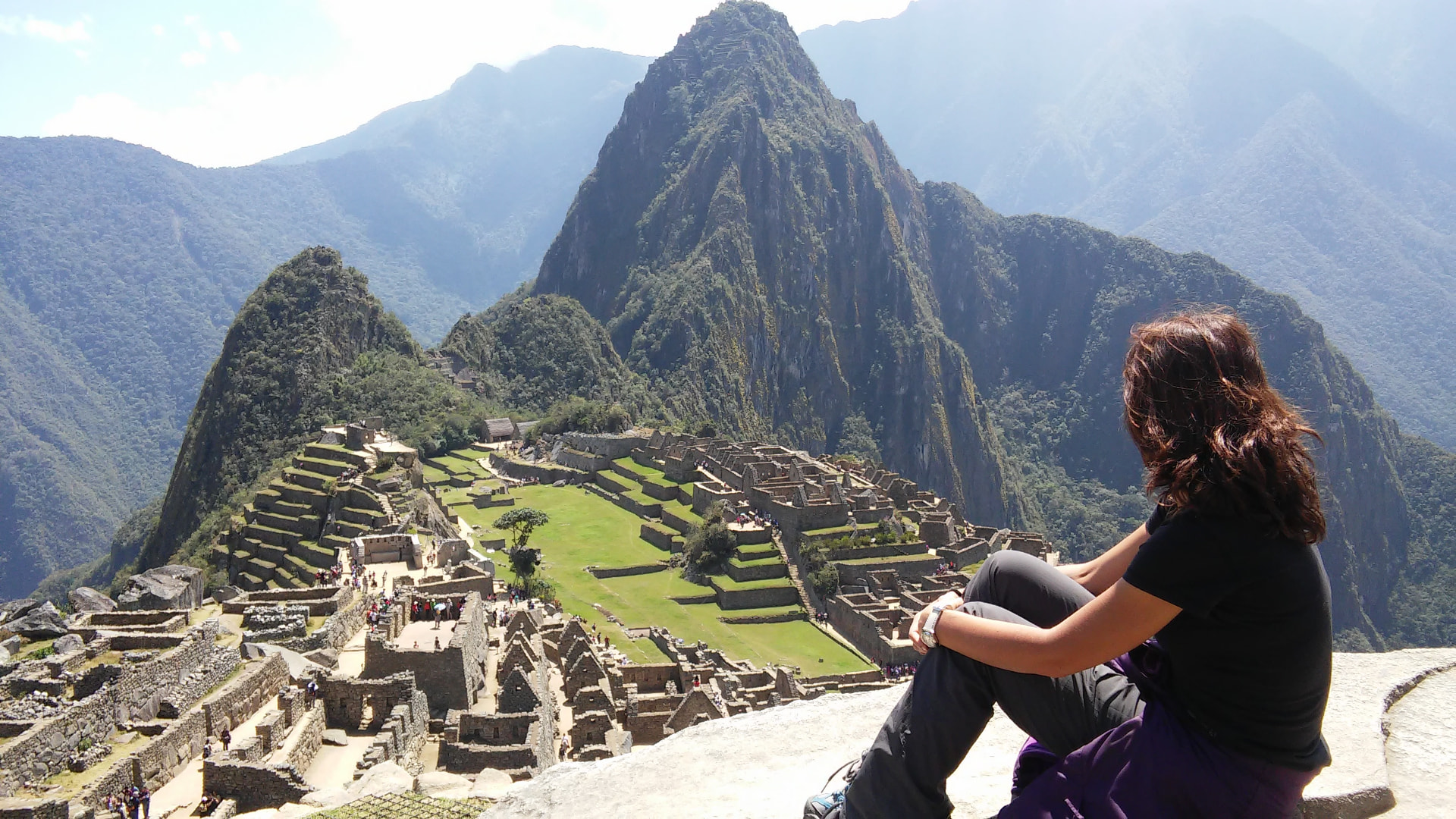
Not just visitors. Not rescuers. Learners. Teammates. Young people discovering what responsible service can look like.