Global health
We can connect students to health systems, community health, social determinants, local professionals, longitudinal patient stories, and structural barriers.
Tell us what you want your students to learn. MEDLIFE will help you build the field experience around it.
Our faculty-led field education programs combine local relationships, community access, experienced in-country teams, educational site visits, service and development opportunities, logistics, risk support, and facilitated reflection to help universities create international courses that could not be reproduced on campus.
Your institution owns the academic course. MEDLIFE helps make the field work.
Not this
“What tourist sites can we fit around volunteer days?”
Start here
“What should students understand, compare, question, and be able to defend by the end of this course?”
Then we build outward.
We can connect students to health systems, community health, social determinants, local professionals, longitudinal patient stories, and structural barriers.
We can build around community organizations, infrastructure, livelihoods, NGOs, government, business, migration, and locally led projects.
We can connect museums, markets, farms, traditional knowledge, environmental sites, conservation, Indigenous communities, local enterprise, and development.
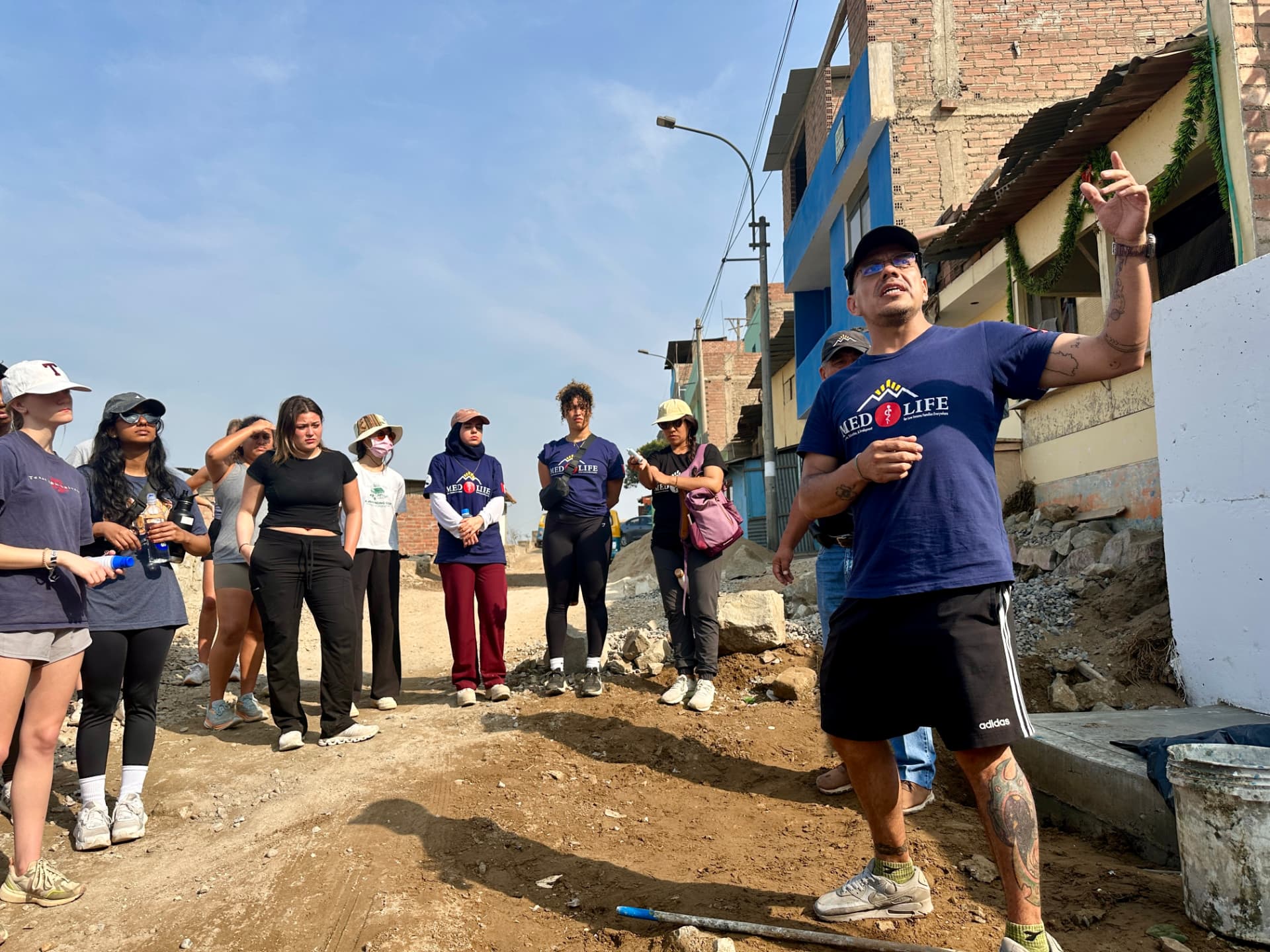
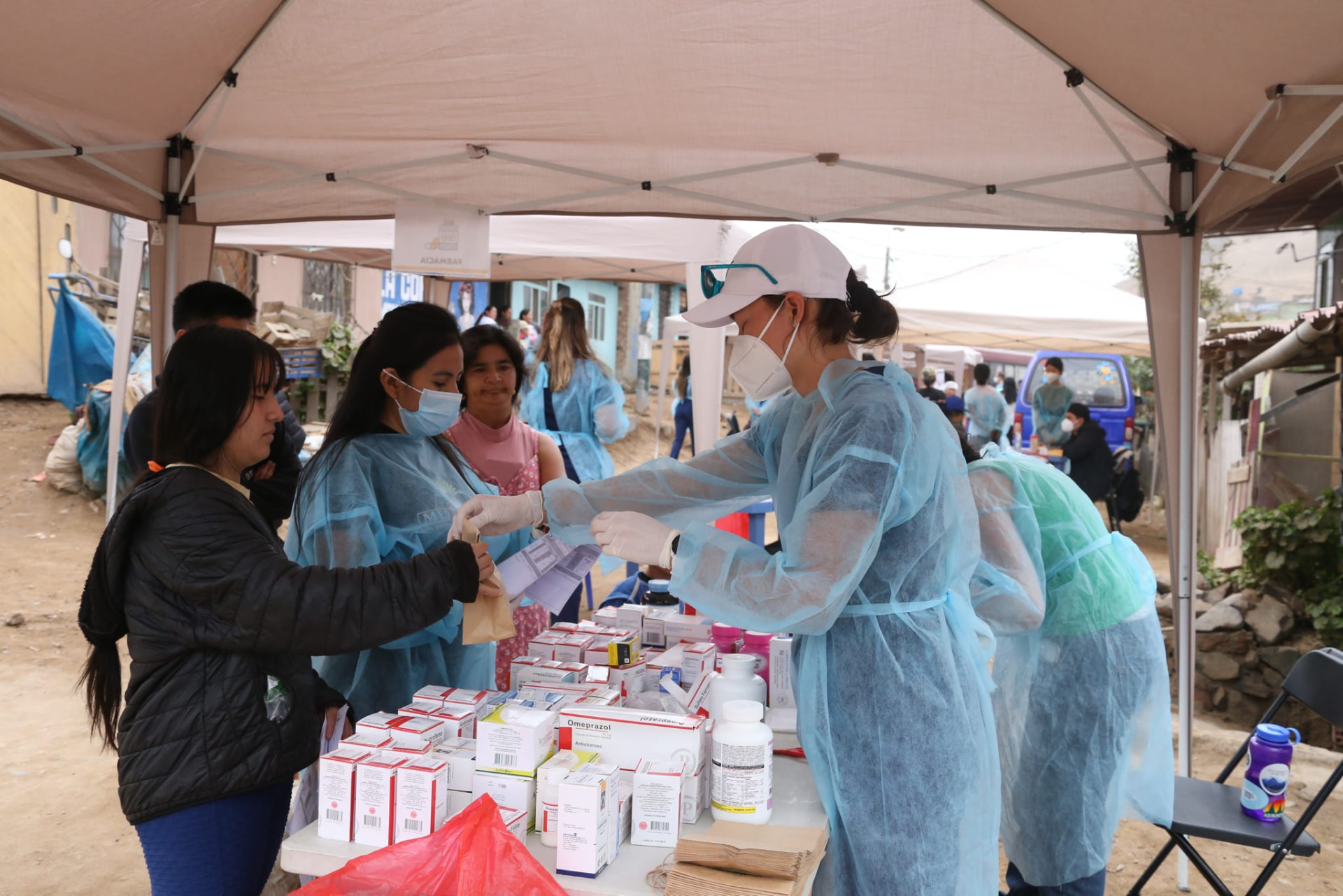
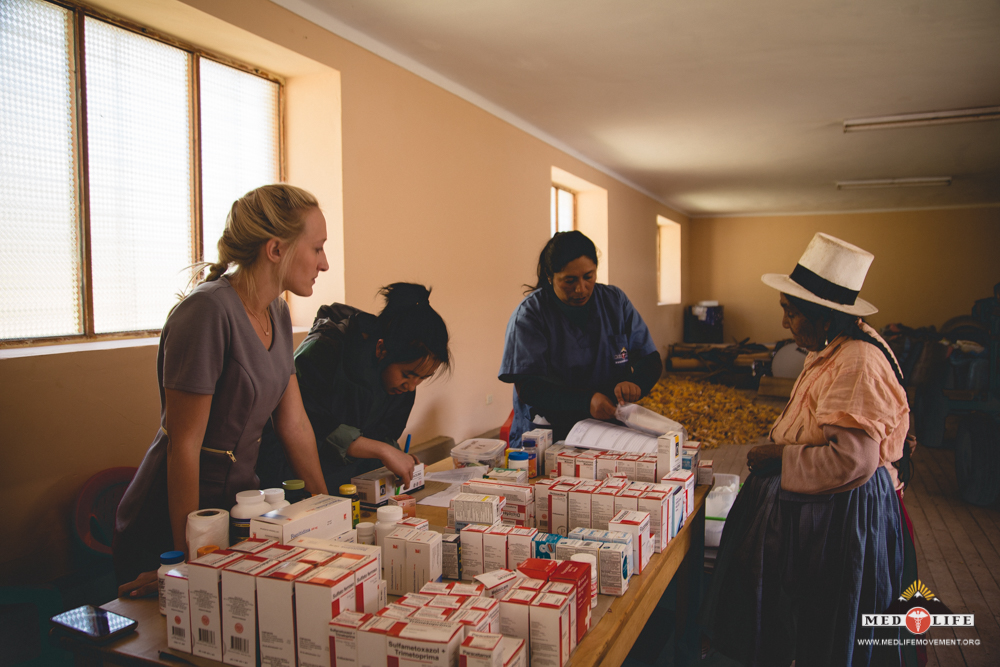
Students arrive with concepts instead of assumptions.
The country becomes a comparative laboratory.
Students turn experience into analysis.
Your institution determines the academic requirements and awards any credit.
MEDLIFE's work with Drexel University illustrates what this can look like. An earlier course operated in Ecuador with a field itinerary that moved students through Quito, the Amazon region around Tena, and the Andes around Riobamba.
Students connected structural violence, gender, foreign aid, agrarian reform, migration, healthcare, community development, Indigenous culture, Afro-Ecuadorian culture, agricultural systems, and local enterprise to actual field sites.
The course later expanded to Tanzania, where students used museums, local health systems, markets, coffee production, community visits, cultural traditions, conservation, and development organizations as teaching environments — and it became repeat programming rather than a one-time trip.
That is the model MEDLIFE wants to reproduce: not one group once, but a durable faculty relationship and a course that gets better each year.
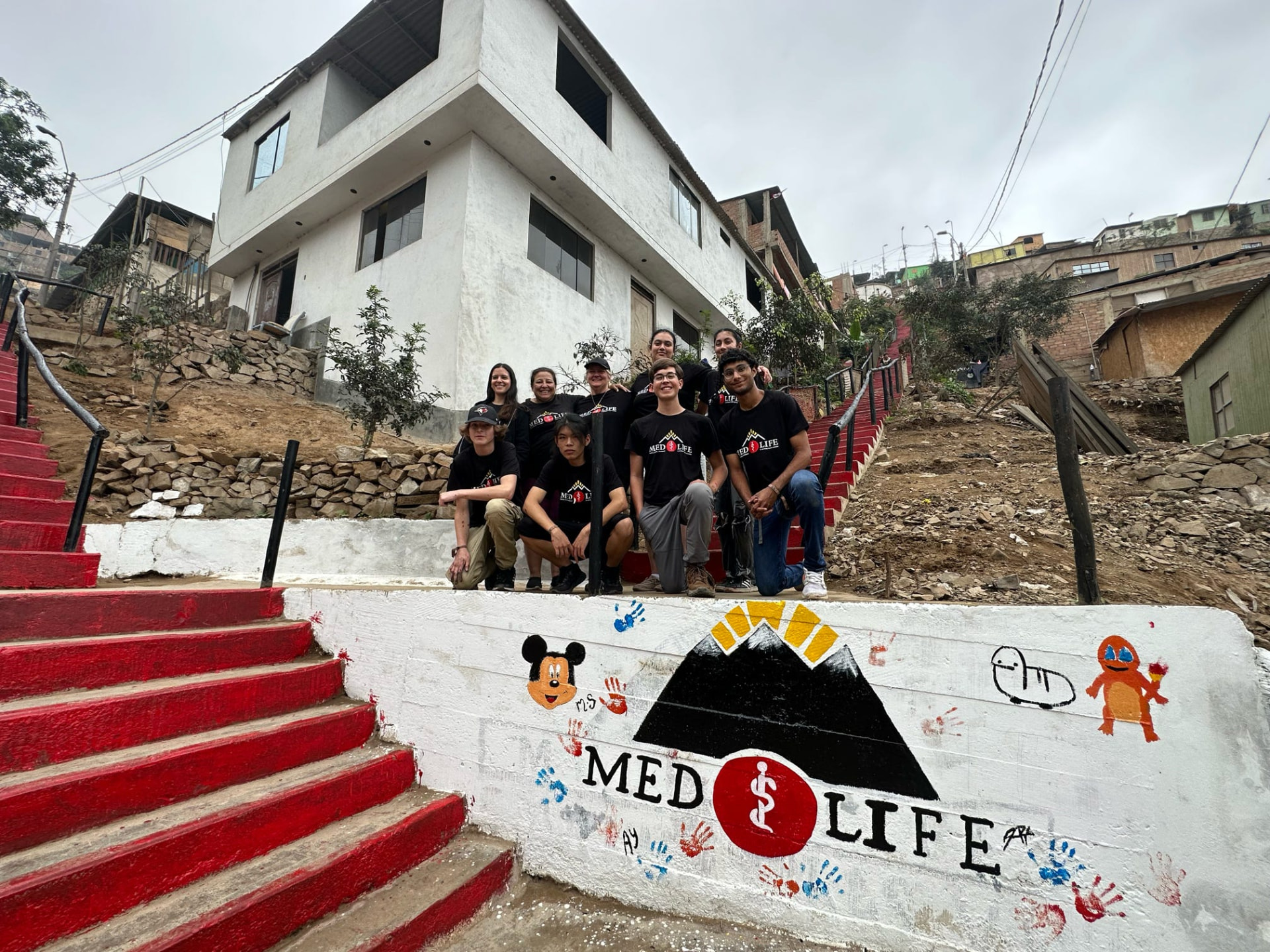
In Tanzania, the Drexel–MEDLIFE partnership worked with local organization TEDI on a computer-lab project supporting a public-school community. The educational value was larger than the installation itself — a real project lets students ask:
That is field education.
By 2020, MEDLIFE had already developed a two-week educational program across Ecuador and Peru with readings, academic discussions, field visits, service, development, patient follow-up, multiple communities, and reflection. Professor Thom Meredith of McGill University believed the existing program could support a field-course pathway with appropriate academic evaluation.
The proposed academic version was interrupted before operating in 2020, but it demonstrated a useful institutional strategy: MEDLIFE can provide a strong, documented field-education core, and a university can add the academic wrapper that fits its own system.
Country and regional expertise
Year-round local staff
Established community partnerships
Local nonprofit and institutional relationships
Itinerary design
Field-course curriculum mapping
Local speakers and experts
Service and development opportunities
Cultural and historical interpretation
Lodging
Ground transportation
Field leaders
Emergency support
Risk documentation
Participant logistics
Educational materials
Reflection frameworks
Repeat-program planning
Faculty remain responsible for course ownership, grading, and institutional academic requirements.
A course does not need to be “about MEDLIFE.” MEDLIFE can be the field partner helping faculty teach the subject they already care about.
A professor can design a great syllabus. What is much harder is building trusted relationships with communities, arranging field access, identifying local voices, coordinating transport and lodging, maintaining risk protocols, creating service opportunities that do not displace local professionals, and translating learning objectives into a realistic day-by-day experience.
That is the gap MEDLIFE can fill.
Local relationships
Educational design
Operational execution
Arrival + orientation + framing question
History, culture, and first local perspectives
Systems observation: health, education, infrastructure, or governance
Economy and livelihoods: markets, agriculture, enterprise, labor, or trade
Community partnership / service / development project
Second community or region + comparison
Culture, identity, and local knowledge
Stakeholder interviews + applied project
Major environmental or cultural field experience + synthesis
Student teach-back + final reflection + departure
A 12- or 14-day version should create deeper comparison and project engagement — not simply add more of the same.
MEDLIFE is not asking to replace the university. That is a feature.
This makes the partnership easier to fit into the academic structures universities already trust.
Tell us the course. Tell us the destination. Tell us the questions you want students to wrestle with. We will help you turn those questions into a field experience.