
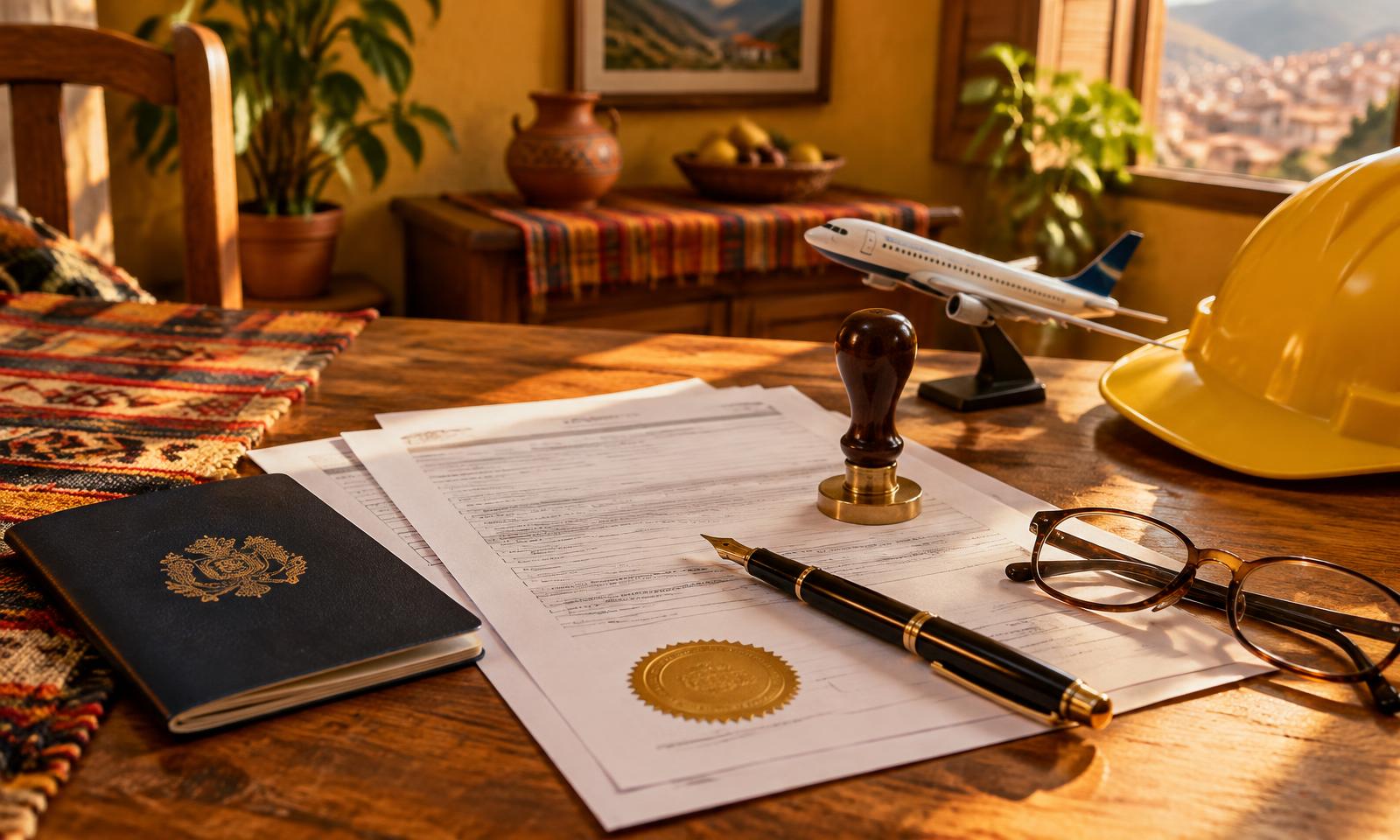
A little preparation for a safe journey
Thank you for supporting your child’s Service Learning Trip! Because your child is traveling internationally without you, a few forms need your signature and a notary’s stamp before the trip.
In all countries where MEDLIFE operates, anyone under 18 is a minor. If your child will be under 18 on the day they travel, these forms are required. Use their age on the travel date, not today.
A notary confirms your identity, watches you sign, and adds a stamp or seal. You may use any notary public near home or work. Banks, shipping and print stores, and some libraries often offer this service. Call ahead to confirm availability and say how many people will sign.
Immigration officers may request a printed, notarized travel consent when your child leaves your country or arrives at the destination. Hotels also need family permission to host minors. Peru is one example: its hotels follow MINCETUR child-protection standards, and similar safeguards apply in all countries where MEDLIFE operates. These rules help keep young travelers safe.
Parents and guardians of minors are listed as emergency contacts during registration. To receive all trip updates, schedules, and reminders too, ask your child’s chapter coach to add you. Not sure who that is? Email info@medlifemovement.org.
Good to know. Pack the original notarized forms in your child’s carry-on with their passport, not in checked luggage. A photo on their phone is a useful backup.