Service
Through Mobile Clinics and Development Projects you help bring accessible medical care, health education and safer homes to the communities you visit.
San José, Costa Rica · Classic SLT
A week of field education, mobile clinics and community-led development in Costa Rica's Central Valley. Tap any section — everything is short, searchable and made for reading on your phone.
For more information email info@medlifemovement.org
Overview
Service Learning Trips are retreats where you disconnect from distraction, reconnect with purpose, and learn the mindset and skills required to serve ethically and sustainably. They are the beginning of a lifelong journey, not the end.
Through Mobile Clinics and Development Projects you help bring accessible medical care, health education and safer homes to the communities you visit.
Service Learning Trips are created with sustainability in mind — in Costa Rica you may take part in an environmentally friendly project such as a public park or a home renovation.
Learn the historical, political and economic factors shaping families' realities, and deepen your global-health knowledge by shadowing professionals.
Eye-opening experiences and human connection renew your passion for a world free from the constraints of poverty.
Flip the switch — same week, two very different mindsets
MEDLIFE Service Learning
Listening to community needs and acting responsibly to support sustainable, culturally sensitive and community-led change.
Voices from students
Hear from students, teacher and parents who have already been in the field with MEDLIFE.
“Starting off with the reality tour really helps get a good framework for the rest of the week — you get to see what the daily life of these communities looks like, which helps you understand where the healthcare issues are coming from. Something interesting I learned in Costa Rica is that the army is actually abolished, so all of that money goes to the education system — about 8% of the government's income goes to education, which is way more than America. Each country is so different, and every SLT is unique and special in some way.”
Audrey
Student, Purdue University (St. John, Indiana)
“On the reality tour my thoughts about the poverty people live in were solidified, but in the clinics I found that people needed more primary care to prevent future diseases and improve their overall health — so you're having a long-term impact. My applications are a lot stronger now that I've been with MEDLIFE, because people are able to see my heart and that I really care about everybody having access to adequate healthcare. Don't come just to check off your application — go because you want to help people with your heart.”
Paige
Student, Indiana University (New York)
“To me, MEDLIFE is opportunity. I had the opportunity to listen and learn from the community leaders who work so hard to uplift their community. A major misconception people have is that people in low-income communities are not actively trying to make their situation better — but this week really proved that wrong. MEDLIFE is a truly impactful organization that works directly with communities to better their conditions. For students like me, it's an opportunity to listen and learn; for community members, it's an opportunity to be heard and to gain access to the healthcare they deserve.”
San
Incoming freshman, UC Berkeley
Quick check 1 of 3
What are the three pillars of every MEDLIFE Service Learning Trip?
About San José
Tourists rarely consider poverty when thinking about Costa Rica — it is difficult to comprehend that great poverty exists within what seems like paradise. Yet one in every four people lives in poverty, roughly 1.1 million individuals, and despite ranking among Latin America's highest spenders on social programs, the poverty rate has remained stagnant. Families face a lack of resources, education and work prospects, alongside economic inequality, domestic violence and an under-resourced health system. Poverty affects children in particular, leaving many without access to clean water or nutritious food.
San José, capital of Costa Rica, in the Central Valley · roughly 1,170 m (3,840 ft) above sea level · about a 30-minute drive from Juan Santamaría International Airport (SJO).
Costa Rica population: 5.094 million · Greater San José: ~1.4 million
Open larger mapCapital
San José
Groups fly into Juan Santamaría International Airport (SJO).
Language
Spanish
Spanish is spoken in all communities — a phrasebook is included below.
Currency
Costa Rican Colón (CRC ₡)
Approximate exchange rate: $1 = 500 CRC. Carry small bills.
Altitude
~1,170 m / 3,840 ft
Mild Central Valley climate — evenings can be chilly.
Climate
75–80ºF (24–27ºC)
Little to no rain between December and April. Sunscreen, hat and repellent are a must.
Context
1 in 4 people in poverty
Poverty rises the further you travel from major cities.
We partner with communities in and around the capital, bringing Mobile Clinics and Development Projects — safe home construction, sanitation improvements and school renovations — carried out with families and local organizations.
Quick check 1 of 3
Where is San José located?
Your week
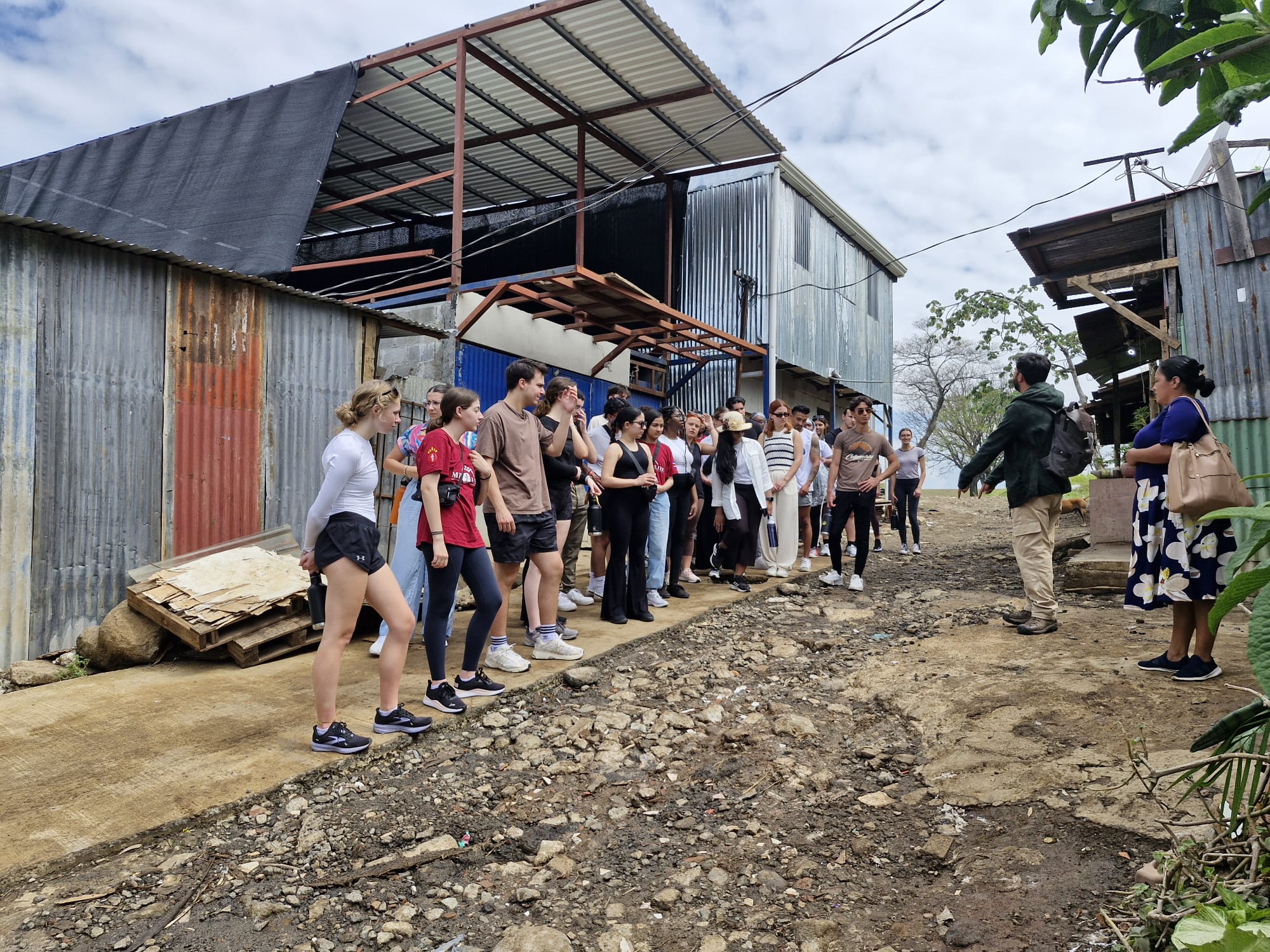
Learn directly from local leaders about the social, cultural and systemic factors shaping their communities.
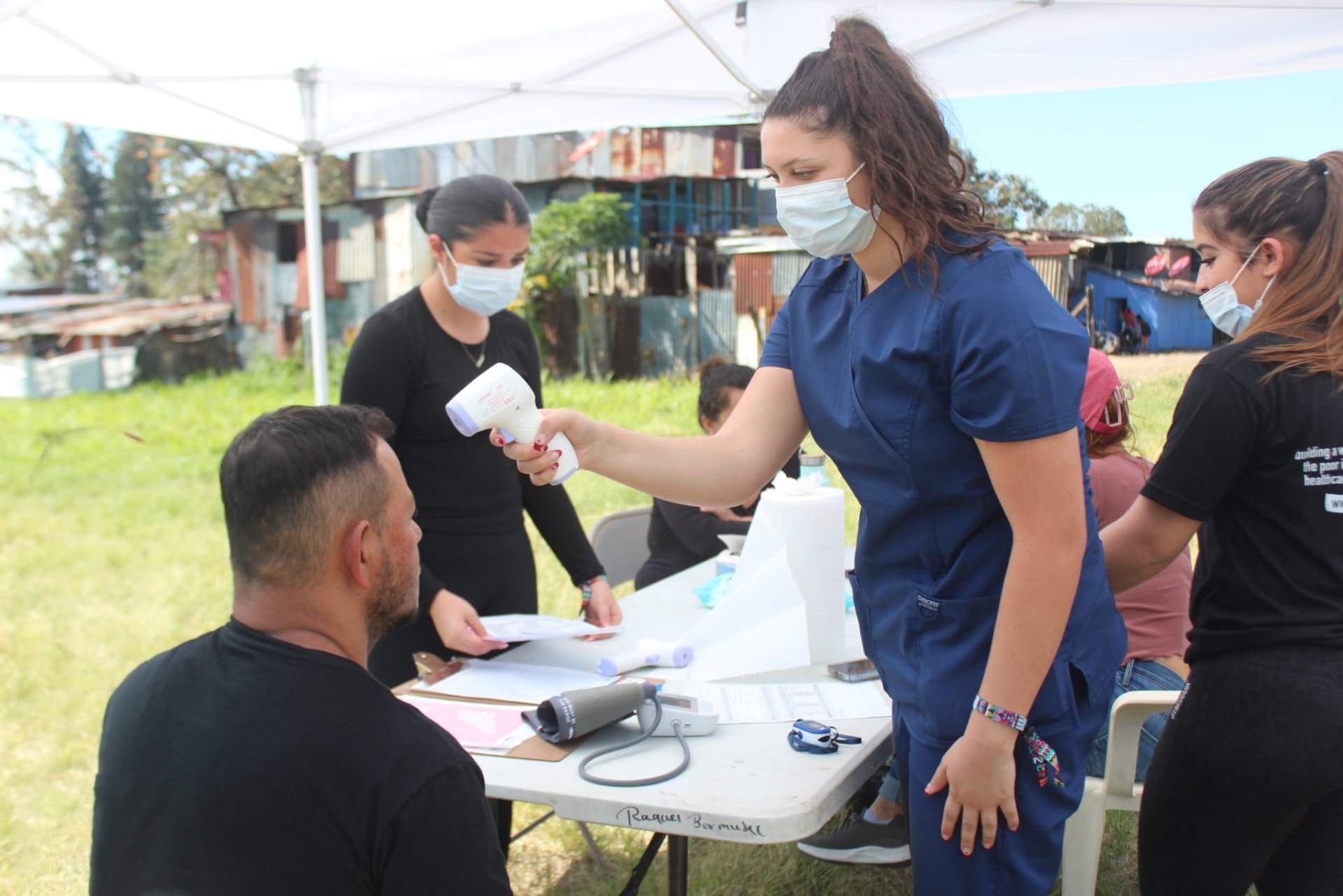
Shadow licensed local professionals and gain real-world insight into community-centered healthcare.
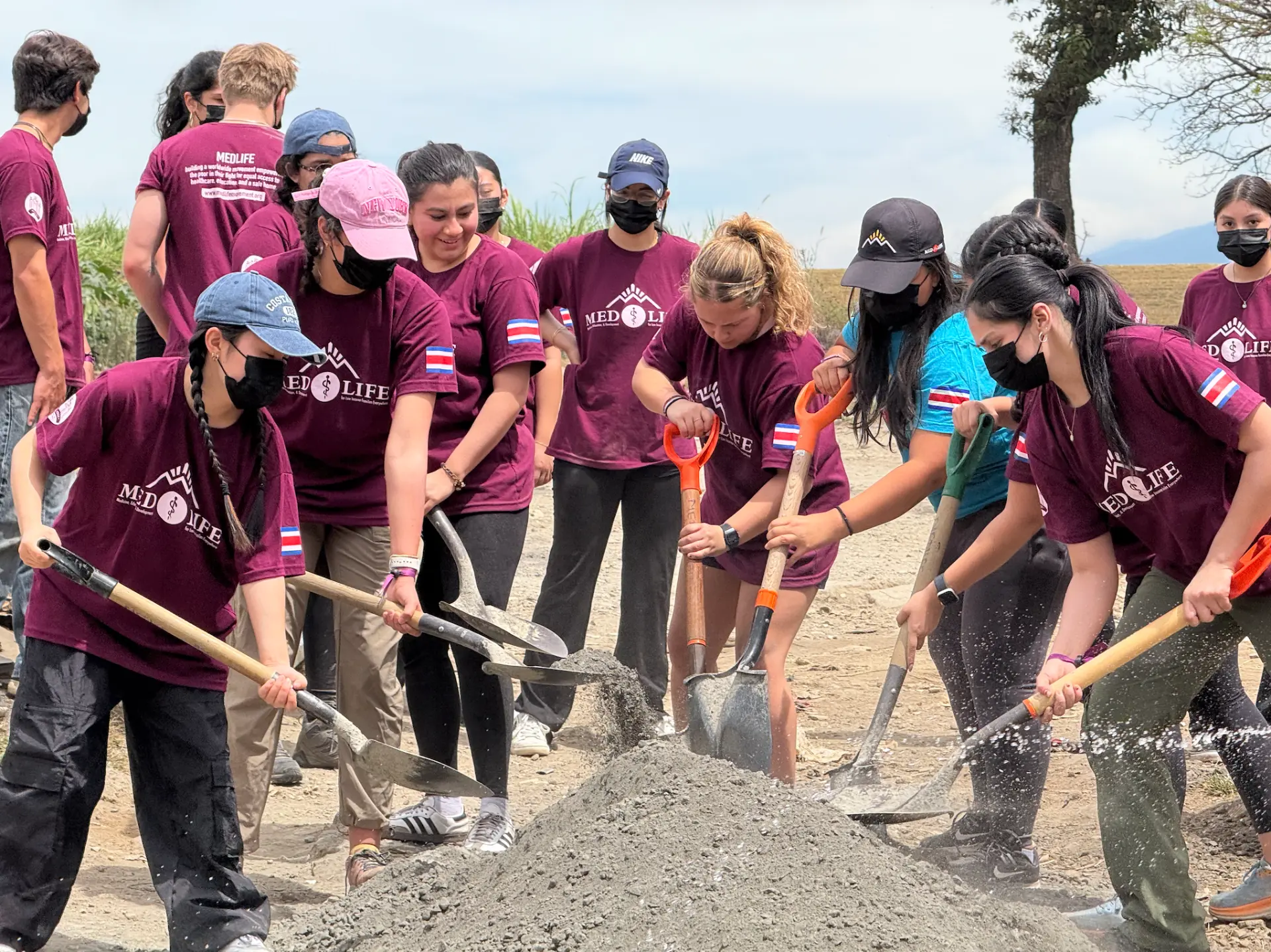
Work alongside locals on a hands-on community project — installing fuel-efficient stoves, building safe homes, or renovations — then celebrate the results at an inauguration with the community.
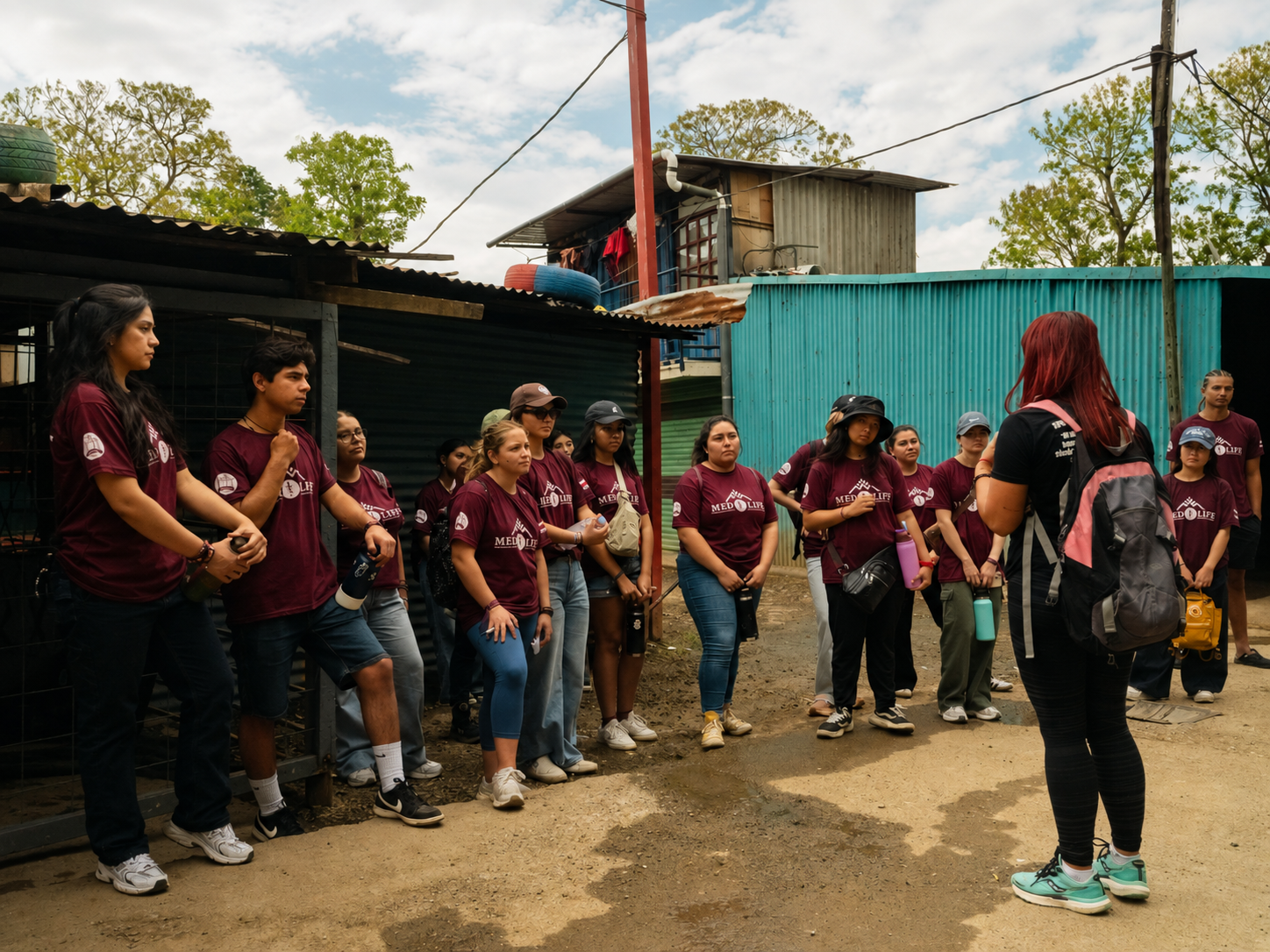
Evening discussions that deepen understanding of global health, equity and ethical service.
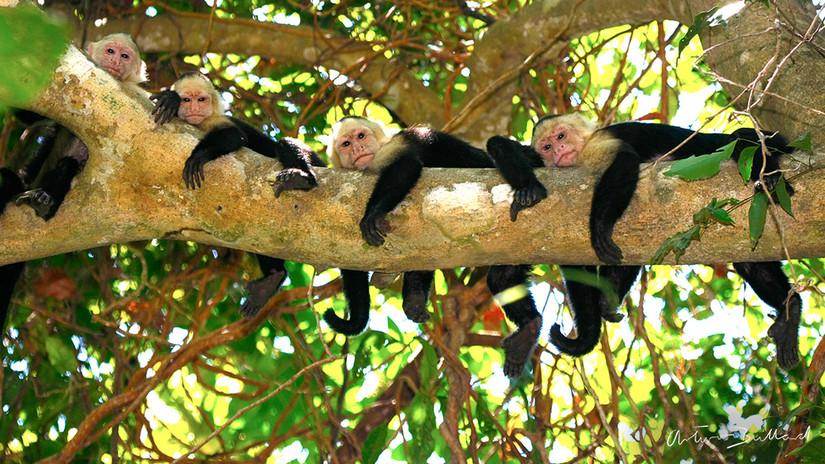
Optional full-day Saturday excursion through Costa Rica's highlands: Doka Coffee Estate, the crater of Poás Volcano and the rainforest trails and waterfalls of La Paz Waterfall Gardens.
This itinerary is a sample and may change based on community needs, weather, and logistics.
Day 1 · Saturday
Arrive at San José airport (SJO) between 9:00 am and 2:00 pm. A MEDLIFE representative will meet you at the airport and escort you to your accommodation. You will have time to relax, settle in, and then head out to explore. Meals aren't included today, but you can enjoy a tasty dinner at one of the nearby restaurants.
Day 2 · Sunday
Attend a welcome meeting covering the week’s schedule, safety recommendations, transportation arrangements, and important information for your stay in San José. Meet the MEDLIFE team and the other participants in your group, ask questions, and prepare for the upcoming service activities. After the meeting, enjoy the rest of the day at your leisure. Meals are not included today.
Day 3 · Monday
Visit MEDLIFE partner communities to better understand the social, cultural, and economic realities of the San José region. Learn how housing conditions, employment, transportation, healthcare access, cost of living, and income inequality affect families. The tour provides important context for the week’s service activities and helps participants approach their work with greater cultural awareness and sensitivity. Through community visits and conversations with MEDLIFE staff and local leaders, gain the context needed to understand the week’s Mobile Clinics and development projects. Return to the accommodation for a MEDLIFE presentation and Mobile Clinic station assignments.
Day 4–6 · Tuesday – Thursday
Support a Mobile Clinic held in a different partner community each day. After arriving, help unload and organize supplies before receiving training at your assigned station. Rotate through two areas during the day, assisting with non-clinical tasks, educational activities, patient flow, and clinic organization. Observe how local professionals assess patients, provide health education, develop treatment plans, and identify possible follow-up needs. After lunch on the bus, move to a second station before helping pack up the clinic. Selected evenings include interactive post-clinic activities. Expected Patients: 15–60 per clinic Station Not Included: Dental
Day 7 · Friday
Work alongside community members on a development project selected according to local priorities. Projects may include bathrooms, school renovations, home construction, or road improvements. Be prepared for hands-on work such as painting, mixing cement, preparing materials, or improving community spaces. Once the work is complete, join the community for an inauguration celebration, followed by a final debrief and reflection.
Day 8 · Saturday
Optional full-day Saturday excursion: Poás Volcano Crater & La Paz Waterfall Gardens. Journey through Costa Rica's stunning highlands on a day filled with flavor and discovery. Visit Doka Coffee Estate for a traditional breakfast and a behind-the-scenes look at the art of coffee making. Continue to Poás Volcano National Park to see its impressive crater and the peaceful Botos Lagoon, then head to La Paz Waterfall Gardens to enjoy lunch, rainforest trails, and breathtaking waterfalls. It's the perfect mix of nature, culture, and adventure.
See the full-day itineraryDay 9 · Sunday
Continue exploring Costa Rica or head back home after a week of service and learning.
Quick check 1 of 3
Which activity happens on Day 2, before the mobile clinics start?
Mobile clinic
Stations may vary with community needs and group size. Patients return to Education between specialists, and Pharmacy is always last.
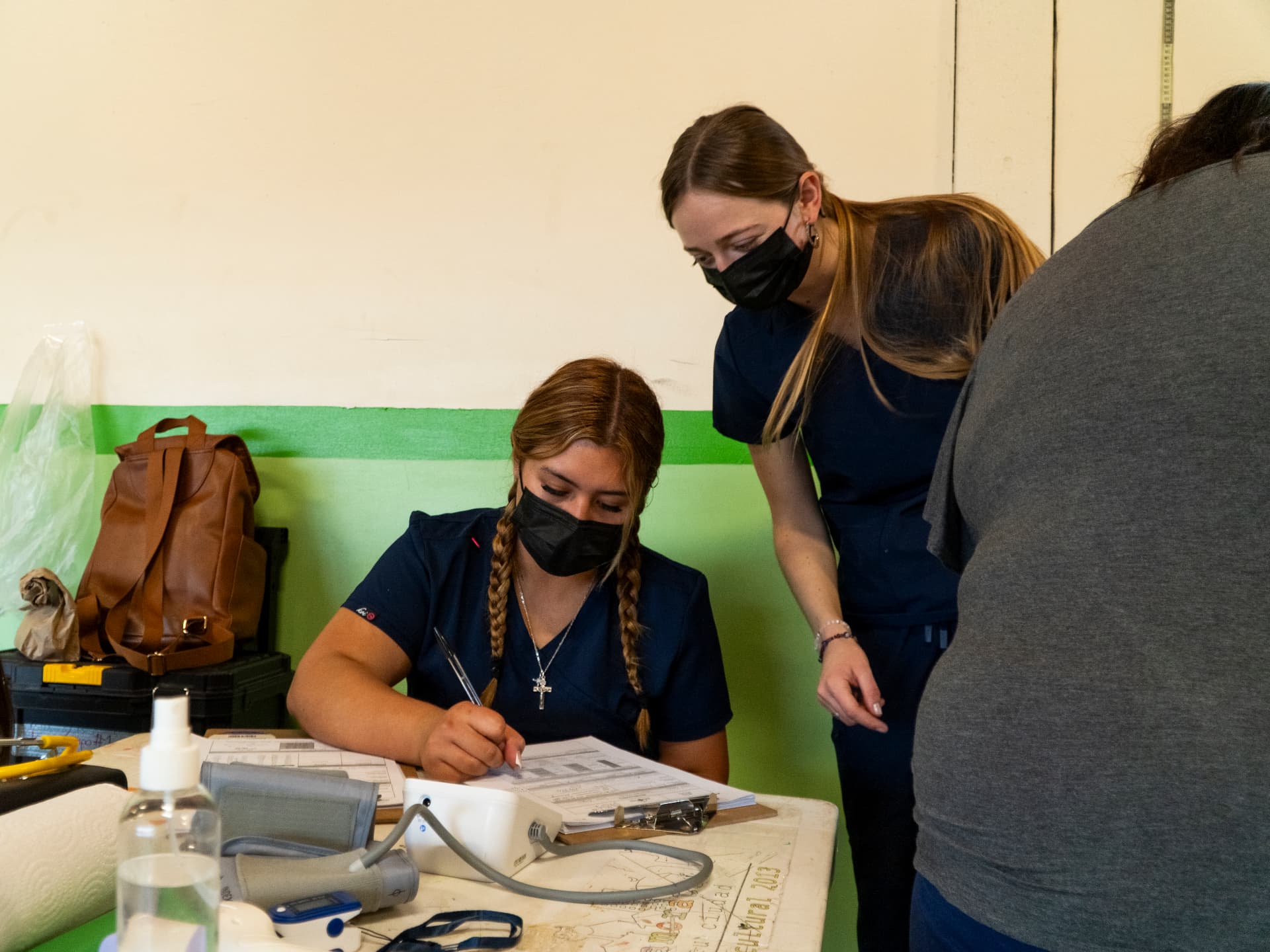
The first station patients visit. Here we collect contact information, basic medical history and vitals for the physicians to use during consultations.
| English | Spanish |
|---|---|
| Blood pressure | Presión arterial |
| Arm | Brazo |
| Bag | Bolso |
| Hat | Sombrero |
| Shoes | Zapatos |
| Jacket | Chompa |
| Scale | Balanza |
| Tape measure | Cinta métrica |
| Thermometer | Termómetro |
| Alcohol | Alcohol |
| Cotton | Algodón |
| Medical record (adult / child / dental / OB) | Ficha médica de adulto / niño / dental / OB |
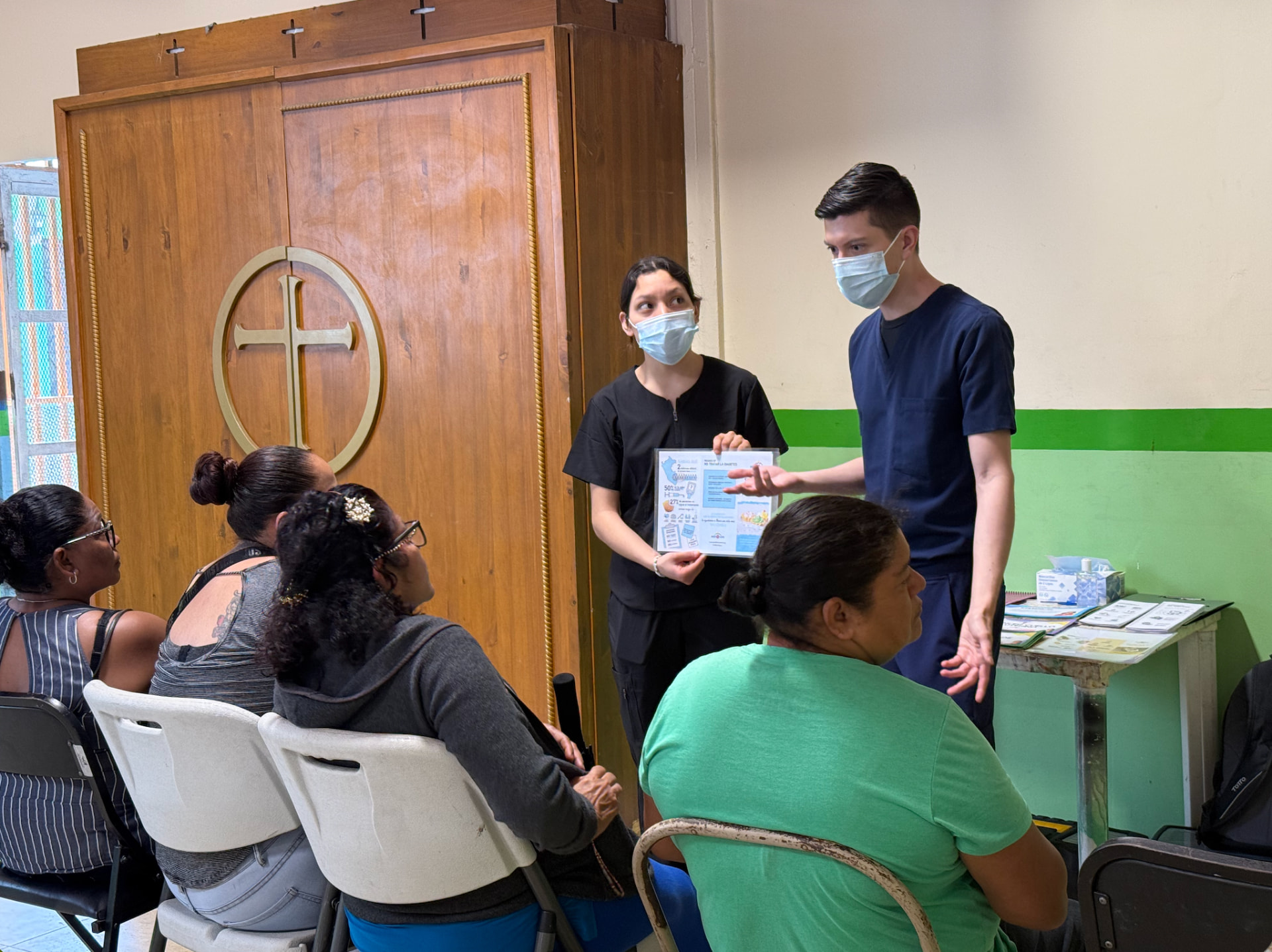
A space for health education on oral health, and more. It also serves as the waiting room between stations.
| English | Spanish |
|---|---|
| Educational brochures | Trípticos |
| Stamp | Sello |
| Urine test | Examen de orina |
| Blood test | Examen de sangre |
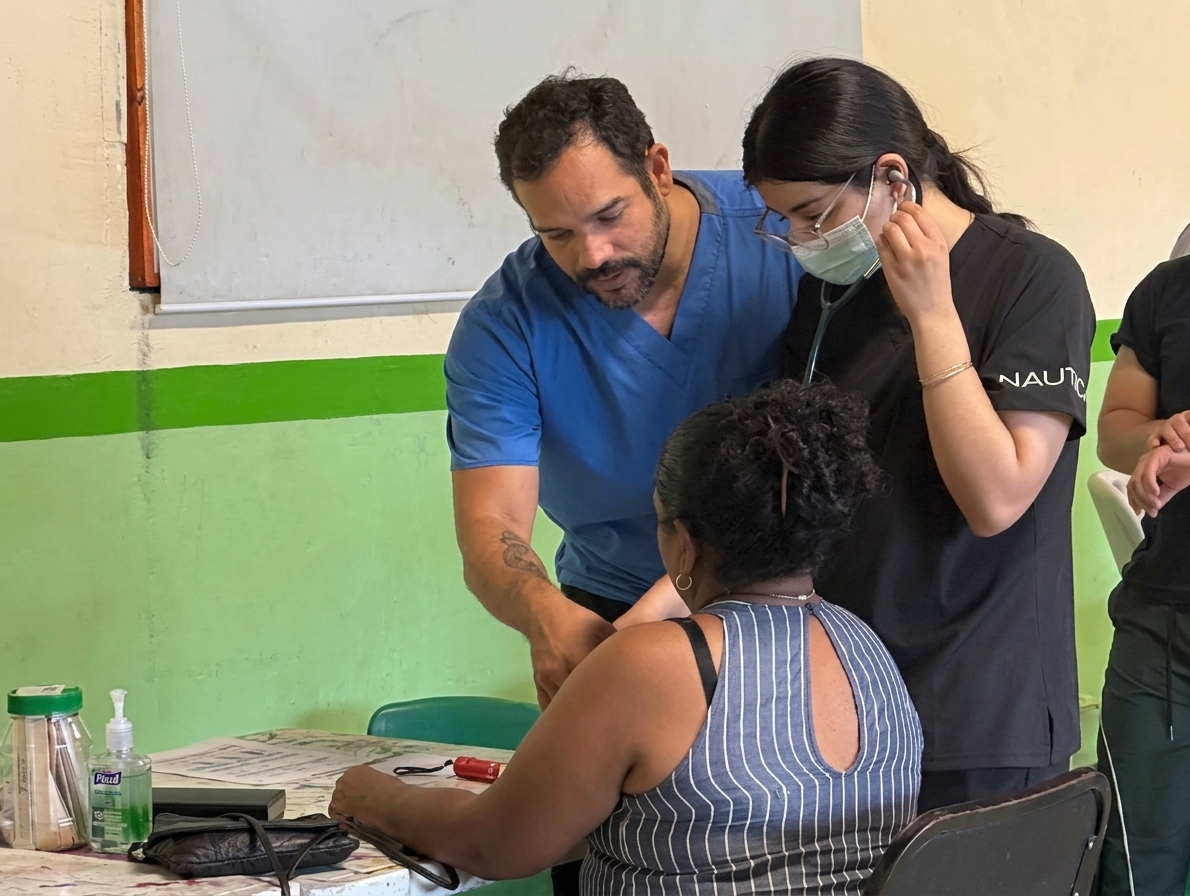
The major station where doctors address individual medical issues and identify patients who need follow-up care.
| English | Spanish |
|---|---|
| Tongue depressor | Bajalengua |
| Flashlight | Linterna |
| Stethoscope | Estetoscopio |
| Pharmacy receipt | Recetario |
| Medicines | Medicinas |
Addresses gynecological issues including breast exams and cervical cancer screenings. Only female students over the age of 18 attending a Classic SLT may shadow this station. This is a service offered (but not shadowed) during High School SLTs.
| English | Spanish |
|---|---|
| Pap smear | Papanicolaou |
| Breast exam | Examen de mamas |
| Speculum | Espéculo |
| Spatula | Espátula |
| Specimen / sample | Muestra |
| Fungus | Hongos |
| Swab | Isopo |
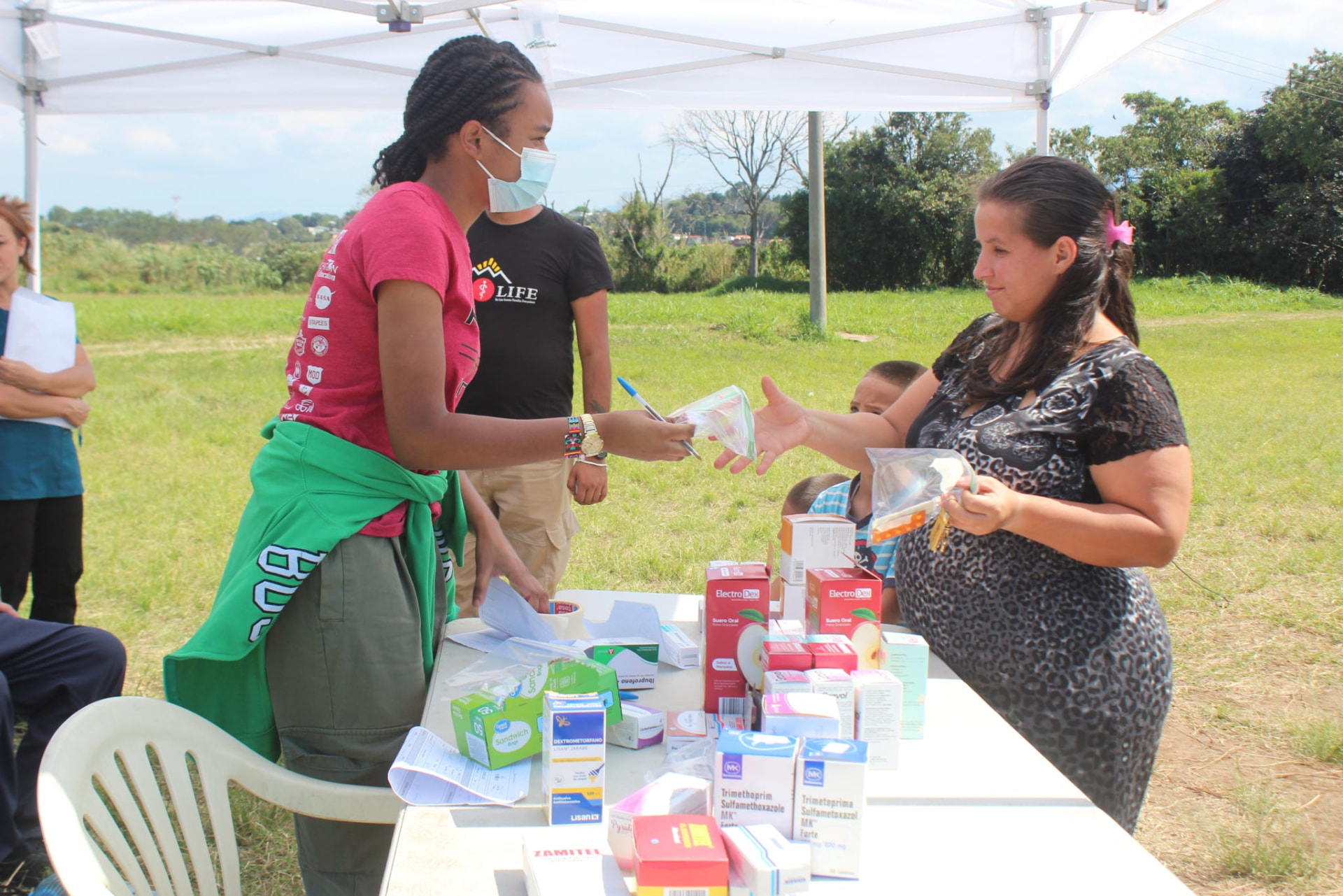
The final station, where prescriptions are filled. Data collected here helps MEDLIFE track medication and enroll patients in the Patient Follow-Up Program.
| English | Spanish |
|---|---|
| One patient at a time | Un paciente a la vez |
| Please give me your prescription and registration form | Por favor, deme su receta médica y su ficha de registro |
| These are your medicines | Estas son tus medicinas |
| Thank you for coming! | ¡Gracias por venir! |
| Vitamins | Vitaminas |
| Prescription | Receta médica |
| Syrup | Jarabe |
| Pill | Pastilla |
| Paste / creme | Pasta / crema |
| Bottle | Botella |
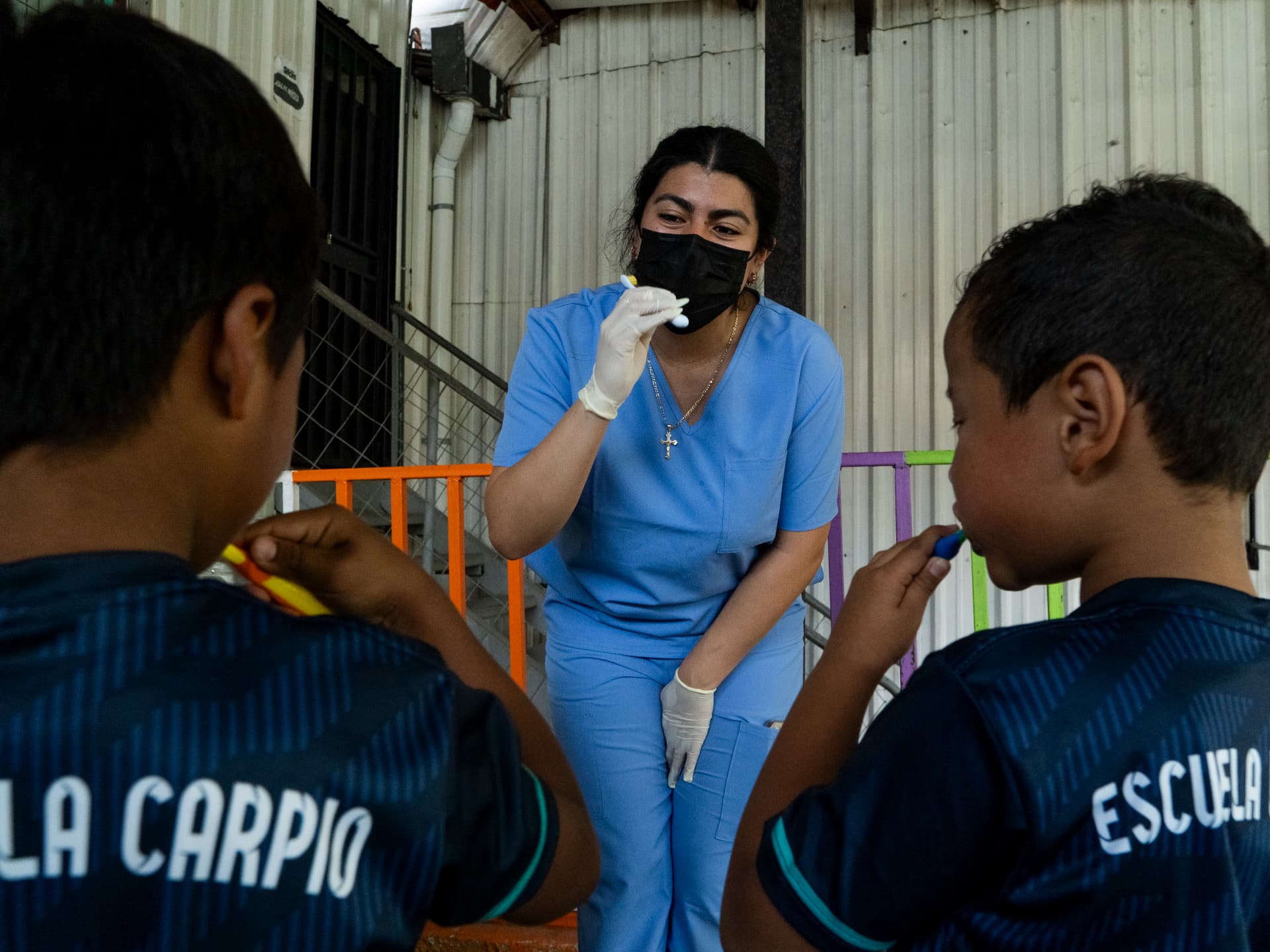
Teaches children aged 3 and up about dental hygiene. Children need no history form, and this is the only station without a medical professional — be proactive.
| English | Spanish |
|---|---|
| Toothbrush | Cepillo de dientes |
| Toothpaste | Pasta dental |
| Cup | Vaso |
| Water | Agua |
| Fluoride | Flúor |
| What is your name? | ¿Cómo te llamas? |
| How old are you? | ¿Cuántos años tienes? |
| Take a toothbrush and a cup | Toma un cepillo y un vaso |
| Brush your teeth in a circular form | Cepíllate los dientes en forma circular |
| Rinse your mouth | Enjuágate la boca |
| Don't drink the water | No tomes el agua |
| Spit out here / there | Escupe aquí / ahí |
| Wash your toothbrush | Lava tu cepillo |
| Now we will place fluoride on your teeth | Ahora pondremos flúor en tus dientes |
| Open your mouth wide | Abre la boca bien grande |
| Don't eat or drink anything for an hour | No comas ni tomes nada por una hora |
| Don't drink milk for a day | No tomar leche por un día |
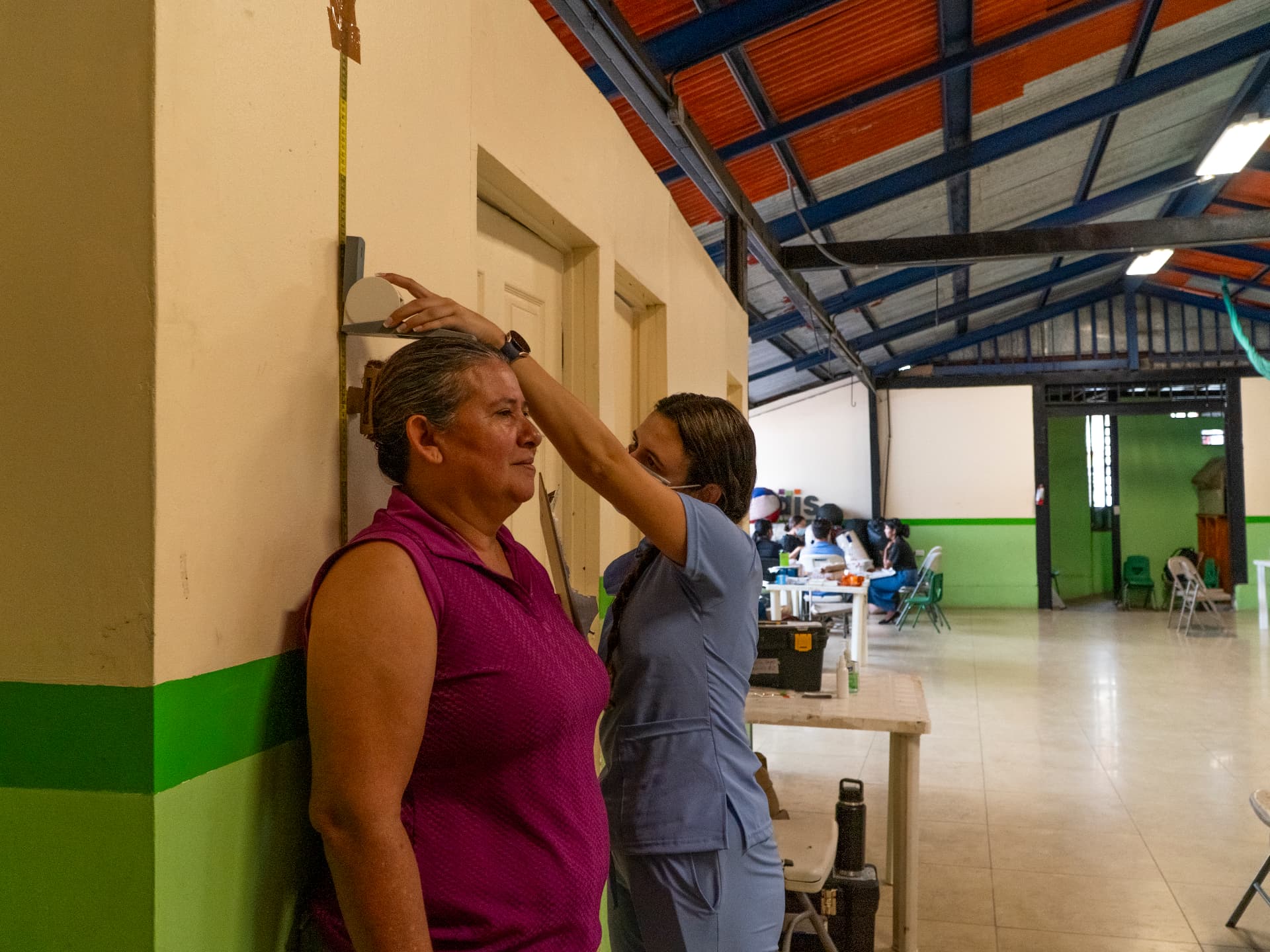
A station focused on nutrition and healthy lifestyle education. Patients' measurements are taken here and professionals share personalized nutritional recommendations.
| English | Spanish |
|---|---|
| Weight | Peso |
| Size | Talla |
| Height | Altura |
| Nutritional recommendations | Recomendaciones nutricionales |
| Healthy eating | Alimentación saludable |
| Healthy lifestyle | Estilo de vida saludable |
Quick check 1 of 3
Where does a patient go first when they arrive at the mobile clinic?
Conduct & health
Beyond local laws and regulations, masks must be worn during Mobile Clinics.
Upon arrival, all students attend an extensive safety briefing.
If you feel unwell or show symptoms of any illness, advise your Trip Leader immediately so you can get medical care.
Hand-washing stations and hand sanitizer are available at every Mobile Clinic.
Quick check 1 of 3
Before taking a photo of a patient or community member, you should:
Preparing
A short checklist so you arrive confident, covered and connected before the clinic doors open.
Be sure to confirm any required visas or fees involved in your flight layover based on airport as well.
The attendees of the SLT are responsible for buying their own airfare. However, our team can help you in this process by providing a flight quote for your group. You can request a flight quote by emailing info@medlifemovement.org. Once your flight is booked, please make sure to add your arrival and departure information to your booking.
Airport: Juan Santamaría International Airport (SJO), San José
San José, Costa Rica — recommended timeframes
Arrival: Saturday from 9:00 am to 2:00 pm (Juan Santamaría International Airport, SJO).
Departure: Sunday anytime between 12:00 pm and 6:00 pm.
If attendees arrive outside of the set time frames, they will be responsible for covering the cost of transportation to their site. If your flight arrives outside the timeframes listed please email info@medlifemovement.org. Remember that any additional nights and transfers that are added before/after your trip because of early or late arrival are not included in the Service Learning Trip donation goal, and will be at the cost of the student.
We highly recommend purchasing trip cancellation insurance, which will allow you to cancel for any reason. You can contact info@medlifemovement.org for more information about our insurance options.
Note that this type of insurance must be purchased within a short number of days of your initial registration, and cannot be added in the days leading up to your departure — reach out as soon as possible to access this opportunity.
A MEDLIFE Representative stays at your accommodation for the duration of the trip. Accommodation details are shared with your group in the WhatsApp group before departure.
The average yearly temperature in Costa Rica is 75–80ºF (24–27ºC) with little to no rain between December and April. Walking boots, mosquito repellent, sunscreen and a bathing suit are highly recommended — you will spend most of the day outdoors in a tropical climate, so bring a good backpack, sun block, hat and sunglasses, plus at least one long-sleeve sweatshirt for chilly evenings. Consult your doctor about malaria prophylaxis, use bug spray with DEET and wear long sleeves and pants. The CDC recommends vaccinations for Hepatitis A and B, Typhoid, Rabies and Yellow Fever before traveling to Costa Rica.
Many families travel hours to reach our clinics. Donations are handed directly to community members and stations — bring what you can, packed in your checked luggage.
About 3–4 weeks before your trip, MEDLIFE adds you to a WhatsApp group with your Trip Leader and fellow students. It's where we share daily logistics, meeting points, weather notes, and reminders.
If you have not received a WhatsApp invitation at least 2 weeks before your departure, email info@medlifemovement.org with your name and trip dates so we can add you right away.
info@medlifemovement.orgA short message from the MEDLIFE team to wrap up your pre-departure training.
Quick check 1 of 3
You haven't received your trip WhatsApp group invite two weeks before departure. What do you do?
Optional extras
Extend your trip before or after your SLT with your friends, chapter, or family, or add a SUNDAY experience on DAY 9, in the event of Sunday night flight departures. These trips are offered through Good Life Expeditions, a MEDLIFE partner travel agency whose profits support MEDLIFE projects in the communities we work alongside.
Explore Costa Rica's highlands with a coffee tour, breakfast, and Poás Volcano crater views. Visit La Paz Waterfall Gardens for rainforest trails, wildlife, and stunning falls. A day of culture and nature.
Starts at $215.00 per participant.
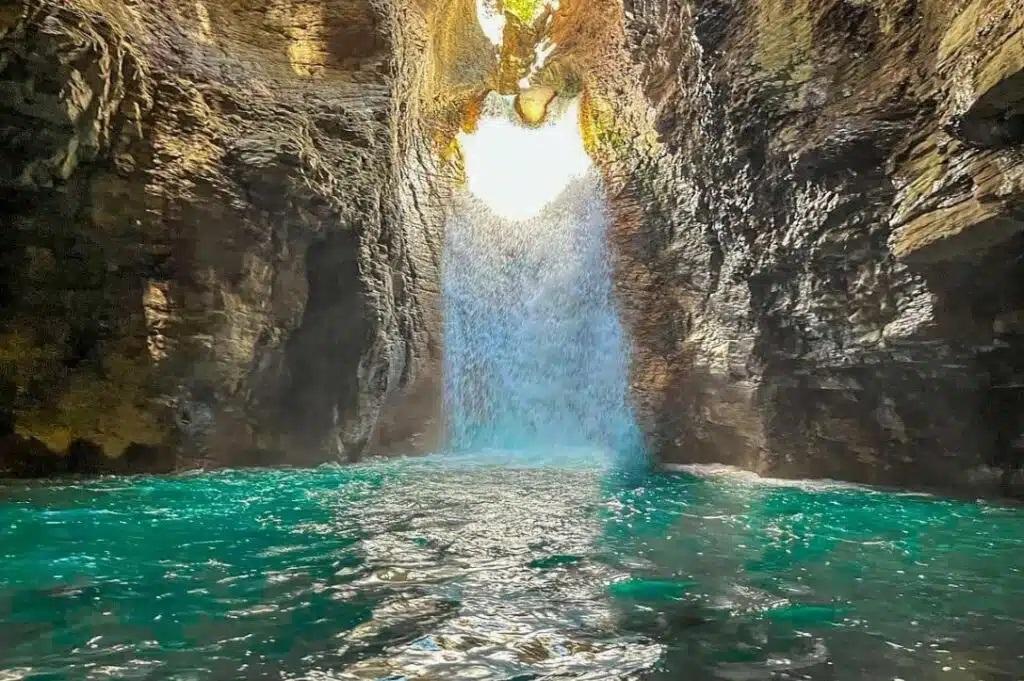
Explore Guanacaste in four days. Visit Liberia, hike to La Leona Waterfall, tube the Colorado River, and discover Tenorio Volcano, the Celeste River, a sloth farm, and Llanos de Cortés Waterfall.
Starts at $1,279.00 per participant. Available before or after your SLT.
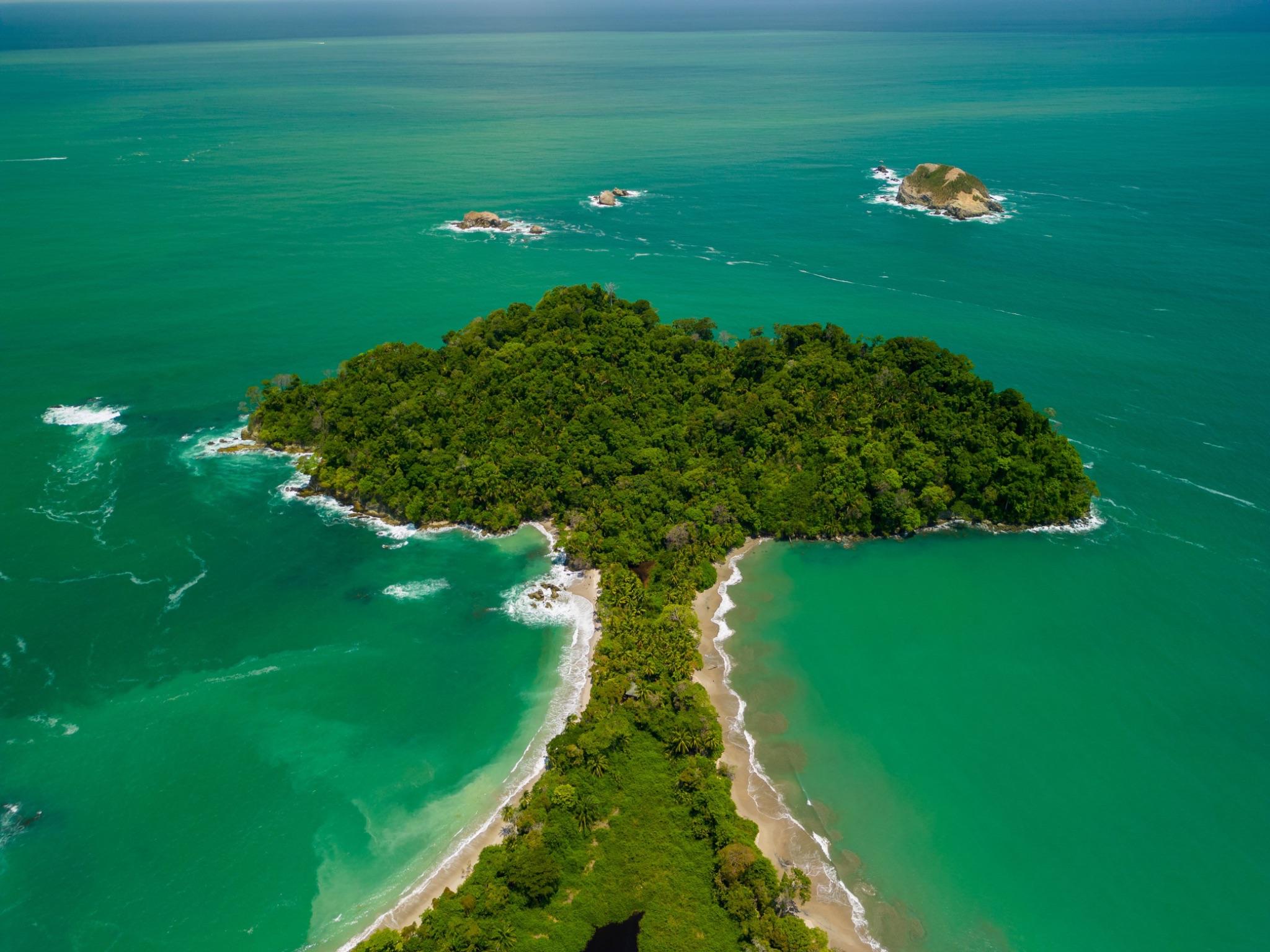
Explore Costa Rica's Pacific coast in four days. Zipline through the rainforest, spot wildlife in Manuel Antonio National Park, sail the Pacific by catamaran, and hike to the natural pools of Nauyaca Waterfalls.
Available before or after your SLT.
Interested? Email info@medlifemovement.org or meet with a Good Life Expeditions advisor to add one of these to your trip.
High school students, families:
Book a meetingOUR PROTOCOLS
Save these numbers before you fly. If MEDLIFE staff aren't nearby, call or WhatsApp the Costa Rica emergency line.
In destination or in transit
Costa Rica Emergency Phone · WhatsApp, call or SMS
Calling from North America
MEDLIFE HQ Phone
Emergency
911Police
117Fire brigade
118Civil Defense (earthquakes, disasters)
246 9009Red Cross
128 / +506 2221 5818Police Station (San José)
WWQ9+49R Paseo La Vaca, San José, Costa Rica
911Hospital Clínica Bíblica (San José)
Laberinto, 10104, San José
2522 1000Trawick International (insurance)
Inside USA: 833-425-5101 · MEDLIFE staff can assist with claims in-destination
+1 603 952 2686Embassy of the United States (Pavas, San José)
Calle 98 Via 104, Pavas, San José, Costa Rica
+506 2519 2000Canadian Embassy (San José)
Torre 5, Sabana Sur, Edificio Oficentro Ejecutivo, San José
+506 2242 4400British Embassy (San José)
Edificio Centro Colón, P. Colón, Mantica, San José
+506 2258 2025Emergency medical and evacuation insurance up to $250,000 USD with a $250 USD deductible once on a trip.
A doctor's visit to your hotel can be arranged if you feel unwell — typically $50–$100 USD, usually less than the $250 deductible. Staff or hotel reception can coordinate.
Bring $250 USD in cash beyond your spending money to cover the deductible, plus a credit card for emergencies if you have one.
Trawick International · 833-425-5101 (inside USA) · 603-952-2686 (outside USA)
Quick check 1 of 3
In an emergency during the trip, who do you contact first?
After your trip
Take your experiences from the field and put them into action at home through MEDLIFE activities all year round.
Our fundraising campaign supporting day-to-day work in medicine, education and development. MEDLIFErs run Power Hours inviting contacts to donate — often with wild fundraising challenges.
Refer friends at other schools to start a MEDLIFE Chapter, encourage others to travel on a Service Learning Trip, and recruit new members for your Chapter.
Volunteer locally with your Chapter, run for an E-Board position, or become a MEDLIFE Ambassador or Active Member to unlock discounts on your next trip.
Follow us on social media and the blog, send photos and stories to media@medlifemovement.org, and tag us when you share what you saw.
Discover more of MEDLIFE